

The landscape of interior design is always evolving, and recent years have shown a notable shift in color preferences. While earthy tones dominated the scene, bringing a sense of calm and connection to nature, it seems we are on the cusp of a transition. Homes that once embraced deep greens, browns, and taupes are now being reimagined with a new palette that reflects a desire for freshness and modernity.
In my experience, the choice of color in a home is not merely aesthetic; it has practical implications as well. Earthy tones, while grounding, can sometimes make spaces feel smaller or more enclosed, especially in homes with limited natural light. I’ve seen this firsthand in various residential settings, where a dark green or rich brown can absorb light rather than reflect it, leading to a less inviting atmosphere. As people begin to favor lighter, airier colors, the impact on space perception becomes evident.
Color and Wear Over Time
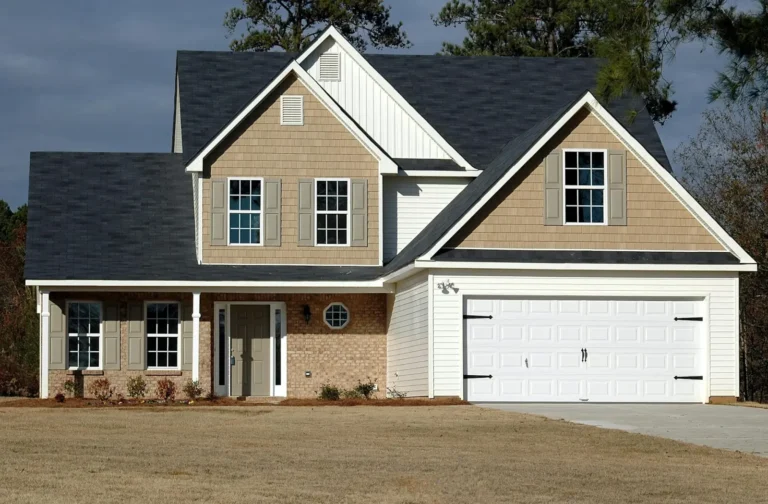
Colors also interact with wear and tear in unexpected ways. For instance, lighter shades tend to show dirt and scuff marks more readily than darker ones, which can be a concern in high-traffic areas like hallways or family rooms. On the other hand, a bold color choice can distract from imperfections, but it may require more frequent touch-ups as it can fade or show wear due to sunlight exposure. This is particularly true for exterior applications where UV rays can quickly degrade vibrancy.
In practical terms, the shift away from earthy tones might also reflect a broader lifestyle change. As homes become more multifunctional, there’s a growing emphasis on creating spaces that feel open and adaptable. Lighter palettes can enhance this feeling, making rooms seem more versatile for different activities, from work to relaxation. I’ve noticed that homes painted in bright, neutral colors often sell faster, as they appeal to a wider range of tastes and allow potential buyers to envision their own style without the need for immediate repainting.
The Future of Color Choices
As we move forward, it will be interesting to see how these trends develop. Will homeowners continue to embrace lighter, more dynamic colors, or will we see a resurgence of bolder, darker hues as tastes evolve once again? Each choice carries implications not just for aesthetics but also for maintenance and the overall feel of a home. In my years of working with various residential settings, it’s clear that color is more than just a surface detail; it can significantly influence how we experience our living spaces day-to-day.
Ultimately, the transition away from earthy tones might not signify a rejection of nature-inspired colors, but rather an adaptation to contemporary living. As the environment within our homes changes, so too will our approach to color, reflecting both personal style and practical needs.