
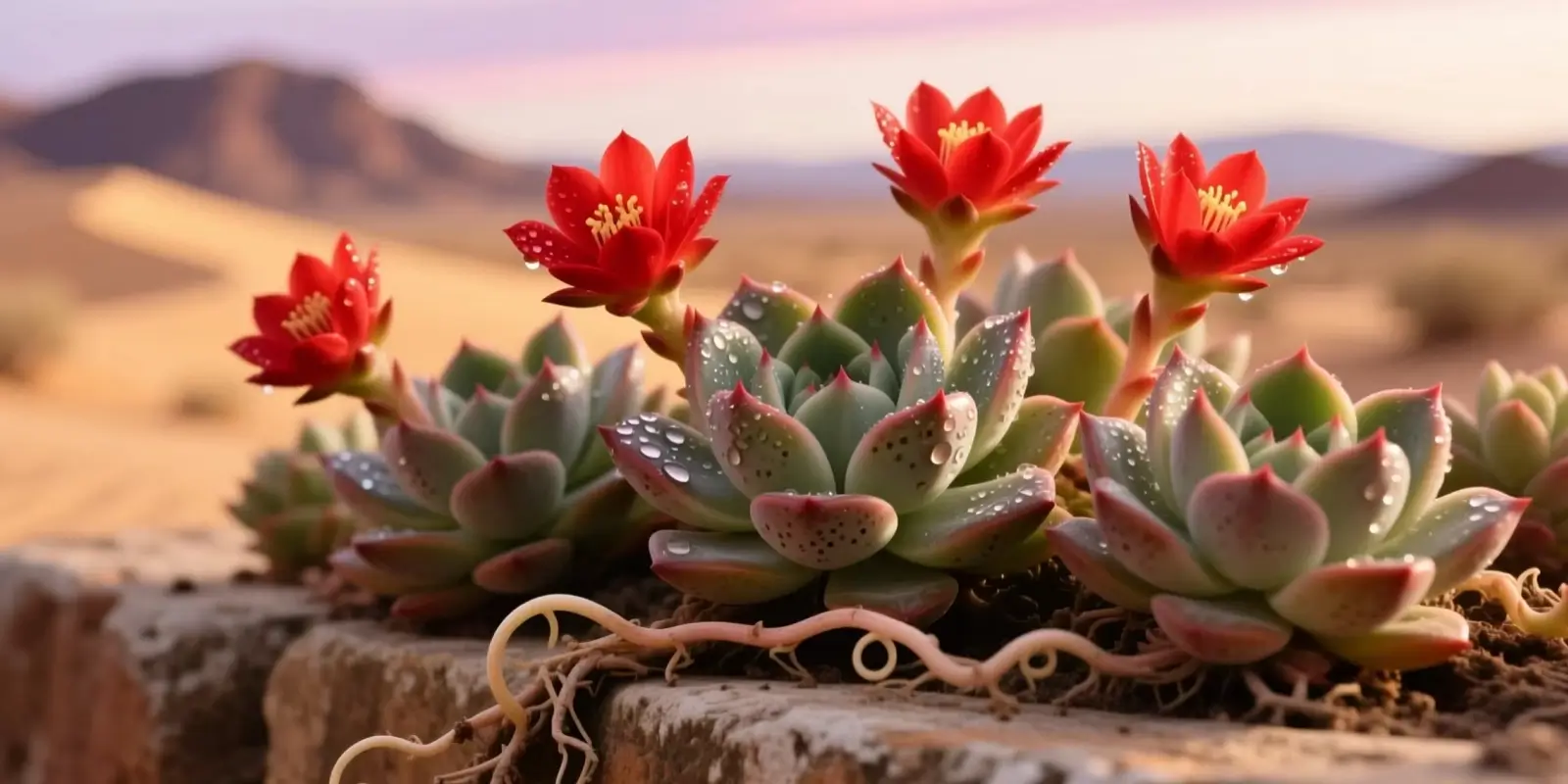
Succulents have gained popularity among homeowners for their resilience and low-maintenance needs. Among them, those that bloom with striking red flowers can be particularly appealing, not just for their aesthetic value but also for their ability to thrive in various environments. Having worked with a range of plants in residential settings, I’ve observed the practical realities of cultivating these hardy succulents.
One of the first things to note is their adaptability. Succulents generally require well-draining soil and plenty of sunlight, which makes them suitable for both indoor pots and outdoor gardens. I’ve seen many homeowners place them on windowsills or in sunny corners of their yards, often with great success. However, the conditions can vary significantly depending on the season and climate. For instance, in areas with intense summer heat, succulents may need some protection from the harsh afternoon sun to prevent sunburn, which can manifest as discoloration or shriveling.
Watering practices also play a crucial role in their health. Overwatering is a common pitfall. While succulents are drought-tolerant, they still need a careful balance of moisture. I’ve observed that in residential settings, especially during the cooler months, homeowners often forget to adjust their watering habits. This can lead to root rot, which is often a silent problem until the plant shows signs of distress. Conversely, underwatering can stunt growth and prevent flowering, particularly during blooming periods when they require more resources.
Common Issues and Observations
In my experience, pests can also be a concern, particularly mealybugs and aphids, which are drawn to the succulent’s juicy leaves. Regular inspections can help catch these issues early, preventing them from spreading. I’ve often found that a simple spray of water can dislodge these pests, but in some cases, a more targeted approach is necessary. This highlights the importance of vigilance in maintaining these plants, especially when they are in bloom.
Another factor to consider is the long-term wear and tear on the surrounding environment. As succulents grow, their root systems can impact the soil structure, potentially affecting nearby plants. Additionally, over time, the containers or garden beds where they are planted may require maintenance to ensure proper drainage and stability. I’ve seen containers crack or degrade, which can lead to water retention issues that compromise the health of the plants.
Ultimately, while red-flowering succulents can bring vibrant color to a home garden, their successful cultivation hinges on understanding their needs and the specific conditions of the environment. Observing how they respond to seasonal changes and adapting care routines accordingly can make a significant difference in their health and longevity.