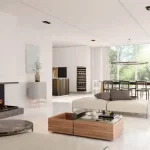


Open-concept kitchens often draw homeowners in with their promise of spaciousness and an inviting atmosphere. The idea of seamlessly blending the kitchen with living areas appeals to many, especially those who enjoy hosting gatherings. Yet, the reality of these designs can be quite different, revealing several practical challenges that can arise over time.
One of the most immediate concerns is the issue of maintenance. In an open kitchen, the absence of walls can lead to a more significant spread of cooking odors and grease. This isn’t merely a matter of aesthetics; over time, the buildup of grease on surfaces can attract dust and grime, necessitating more frequent cleaning. Homeowners often find themselves spending more time scrubbing cabinets, ceilings, and walls than they anticipated, especially in high-traffic areas.
Heat management is another critical factor. Cooking generates heat, and in an open space, that heat can quickly permeate adjoining living areas. This can lead to discomfort during warm weather or when cooking large meals. Additionally, the open layout may complicate ventilation. Range hoods and exhaust fans might not be as effective in a space where the cooking area is not enclosed. Homeowners may discover that they need to invest in more robust ventilation systems or additional cooling solutions to maintain comfort.
Noise is an often-overlooked issue. In a traditional kitchen, sounds from cooking or appliances are somewhat contained. However, in an open layout, these noises can easily disrupt conversations or relaxation in adjacent spaces. The clattering of pots, the hum of the dishwasher, or the sizzle of food can become distractions, leading some homeowners to reconsider the benefits of having an open space.
Finally, the open-concept design can sometimes lead to a lack of privacy. For families with multiple members, the kitchen can become a hub of activity, making it challenging to find a quiet moment away from the bustle. This can be especially true during busy meal prep times or when entertaining guests. The initial appeal of togetherness can quickly turn into a desire for a little separation.
While open-concept kitchens may look appealing in design magazines, the realities of daily life often reveal a different story. Homeowners should weigh these practical considerations against their lifestyle needs before committing to such layouts. Understanding the potential challenges can lead to more informed decisions about kitchen design and functionality.