
Balcony gardening often presents unique challenges, especially in limited spaces. Over the years, I’ve observed how various setups can either flourish or falter based on a few key factors. The confined environment means every square foot counts, and the choices made can significantly impact plant health and overall enjoyment.
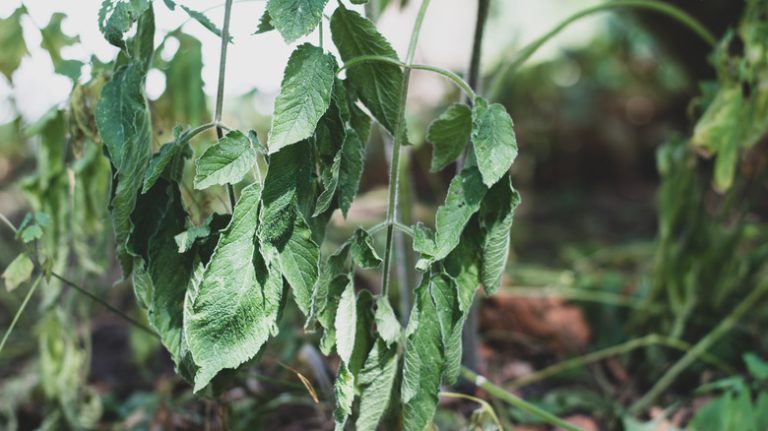
One common approach I’ve seen is vertical gardening. Utilizing wall-mounted planters or trellises allows for a greater variety of plants without consuming much floor space. However, this method requires careful consideration of sunlight exposure. Plants that thrive in full sun, like tomatoes and peppers, may struggle if placed too far from the light source. Conversely, shade-loving plants, such as ferns and certain herbs, can thrive in more sheltered spots. The challenge lies in balancing plant selection with the available light, which can vary throughout the day.
Watering presents another frequent issue. In compact setups, it’s easy for soil to dry out quickly, especially during warmer months. I’ve noticed that using self-watering containers can help mitigate this problem, allowing for a more consistent moisture level. Yet, these containers can also lead to over-saturation if not monitored closely, resulting in root rot. It’s a delicate balance, and being mindful of the specific needs of each plant is essential.
Material Considerations and Longevity
The materials used in balcony gardening can affect not just aesthetics, but also durability over time. For instance, wooden planters may look appealing initially, but they often succumb to rot and weathering much faster than metal or plastic alternatives. I’ve seen many wooden structures fail within a couple of seasons, especially in areas with significant rainfall or humidity. Opting for more durable materials can save time and money in the long run, reducing the need for frequent replacements.
Drainage is another critical factor to consider. In limited spaces, it’s easy to overlook the importance of proper drainage. Water pooling at the base of pots can create a breeding ground for pests and lead to plant stress. I’ve encountered many balcony gardens where plants appear healthy at first, only to decline rapidly due to hidden drainage issues. Ensuring that pots have adequate drainage holes and considering the layout for effective runoff can prevent these problems.
Pest Management in Small Spaces
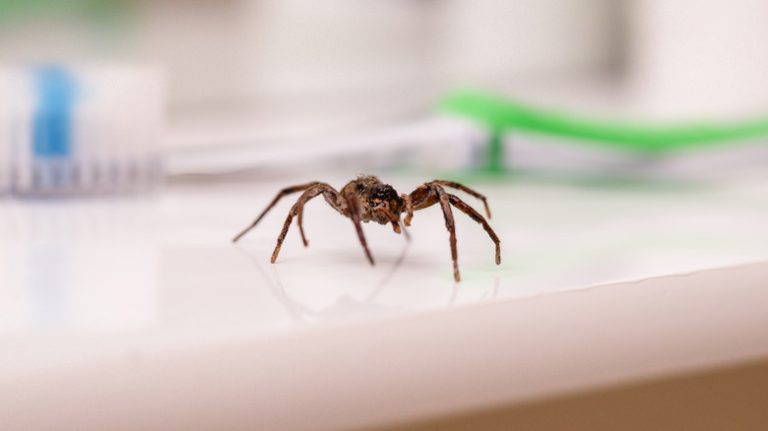
Pest issues can escalate quickly in small gardening environments. With limited space, infestations can spread faster, and the close quarters make it more challenging to manage. I’ve often seen balconies plagued by aphids or spider mites, which can quickly decimate plants. Regular monitoring and early intervention are crucial. Sometimes, integrating companion planting can help deter pests naturally, but this requires careful planning to ensure compatibility among plants.
Ultimately, balcony gardening in limited spaces can be rewarding, yet it requires a keen understanding of the plants’ needs and the environment. Each choice, from plant selection to material use, impacts not only the immediate aesthetic but also the longevity and health of the garden. Observing these dynamics over time reveals that success often hinges on small adjustments and attentiveness to the unique conditions of the space.