
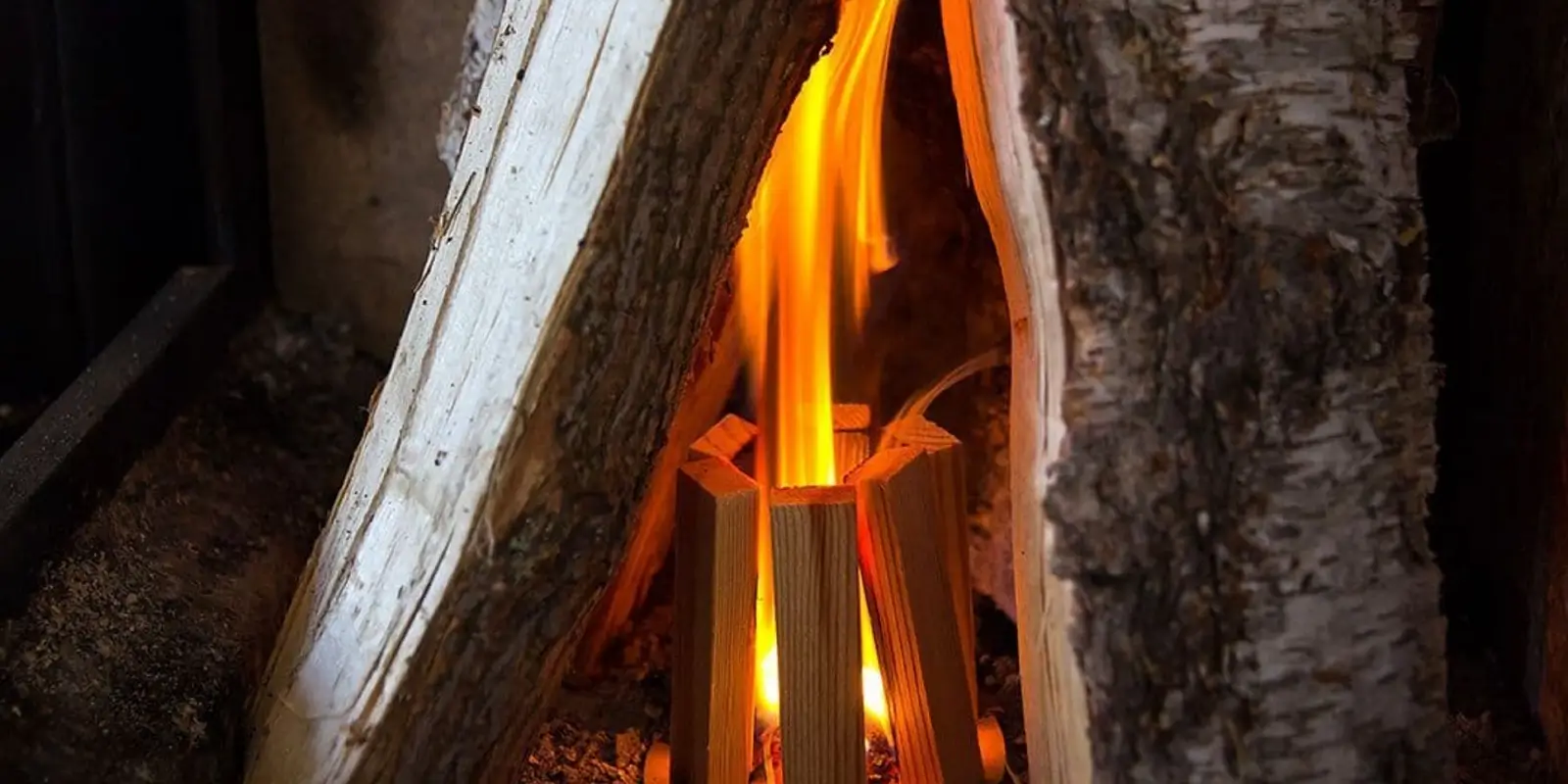
In the realm of residential improvement, it’s not uncommon to encounter innovative products that seek to marry functionality with environmental consciousness. One such product is the Earth Log, an eco-friendly fire log that gained attention on “Shark Tank.” Initially crafted in a kitchen, it was designed to provide an alternative to traditional firewood while minimizing environmental impact. However, the journey of the Earth Log illustrates the complexities of bringing an eco-friendly product to market and sustaining its presence over time.
From my experience, products like Earth Log often face challenges that extend beyond their initial appeal. While the concept of a clean-burning log made from recycled materials is compelling, real-world usage reveals a range of factors that can affect performance. For instance, the log’s ability to produce heat efficiently can vary based on the moisture content and the conditions in which it is stored. Logs that are not kept in a dry, controlled environment may absorb moisture, leading to subpar burning characteristics. This is a common oversight that can significantly impact user satisfaction.
Understanding Product Longevity
When examining the durability of products like Earth Log, it’s essential to consider how they perform under various environmental conditions. Fire logs, regardless of their eco-friendly claims, are subject to wear and degradation over time. Factors such as exposure to heat, humidity, and even the frequency of use can lead to changes in the log’s structure and effectiveness. For example, logs that are stored in damp basements may develop mold or become too brittle, compromising their integrity.
Moreover, while Earth Log was marketed as an eco-friendly alternative, it’s important to recognize that consumer preferences can shift. The rise of alternative heating sources, such as electric and gas fireplaces, poses additional competition. In my experience, many homeowners are drawn to the convenience of these options, which can limit the appeal of traditional fire logs, even those that tout environmental benefits.
Common Misconceptions
One of the more subtle challenges with products like the Earth Log is the misconception regarding their environmental impact. While they are designed to be more sustainable than conventional wood, users might overlook the broader implications of sourcing, production, and end-of-life disposal. The environmental footprint of manufacturing and transporting these logs can sometimes negate the benefits they offer. Understanding these nuances is crucial for consumers who wish to make informed choices about their home heating methods.
Ultimately, the story of Earth Log reflects a larger narrative about innovation in residential products. While the idea of an eco-friendly fire log is appealing, real-world applications often reveal complexities that require careful consideration. As homeowners navigate their choices, awareness of these factors can lead to a more satisfying experience with their heating solutions.