
When planning an outdoor project—whether it’s a patio, walkway, garden path, or seating area—one of the first decisions you’ll face is choosing the right material. Two popular options are natural stone slabs and poured concrete. Both have their advantages, but the best choice often depends on the style, budget, and long-term goals of the homeowner or contractor. Understanding the differences between the two can make the planning process much easier and lead to a more durable, visually appealing result.
The Natural Appeal of Stone Slabs
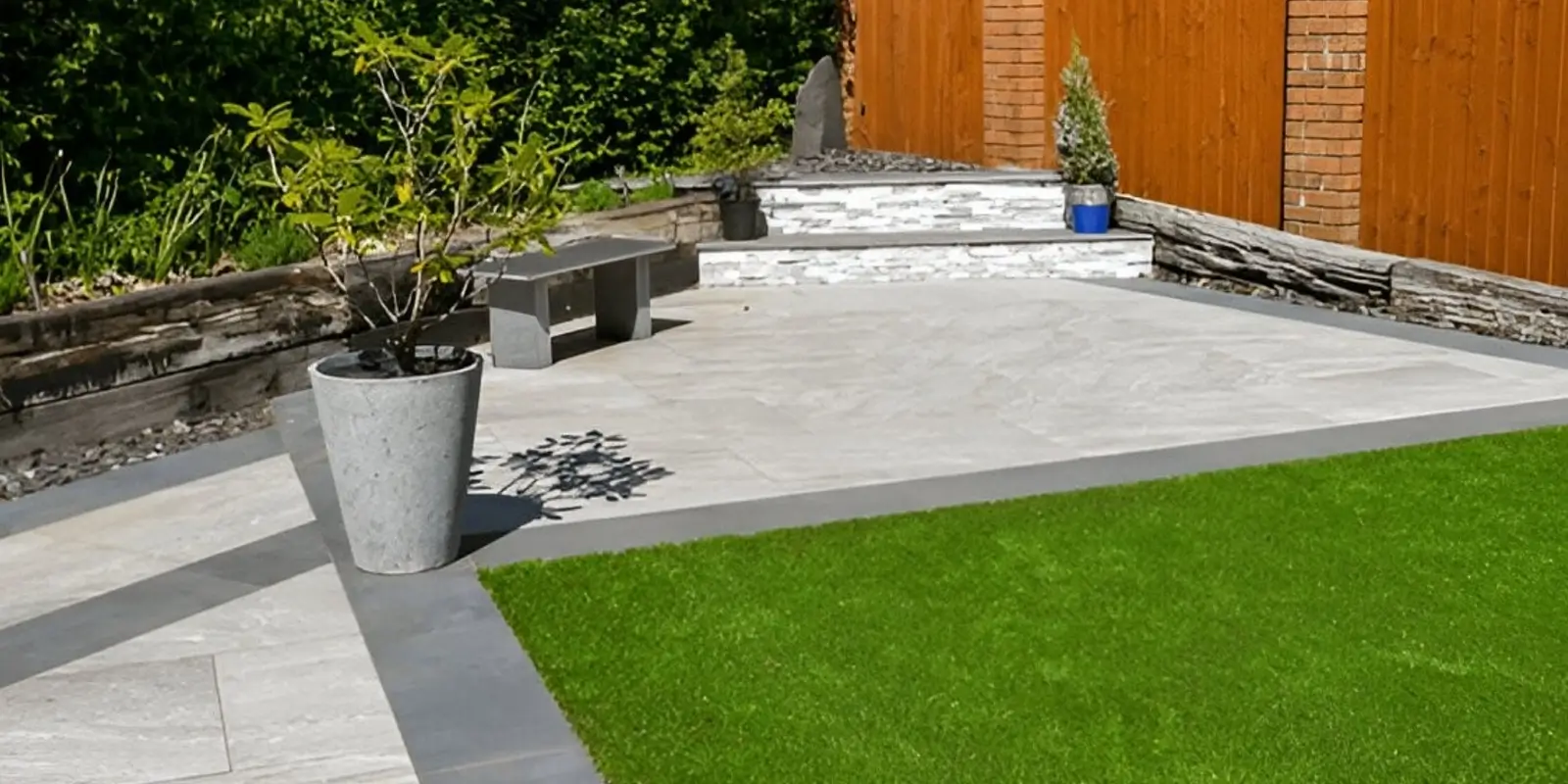
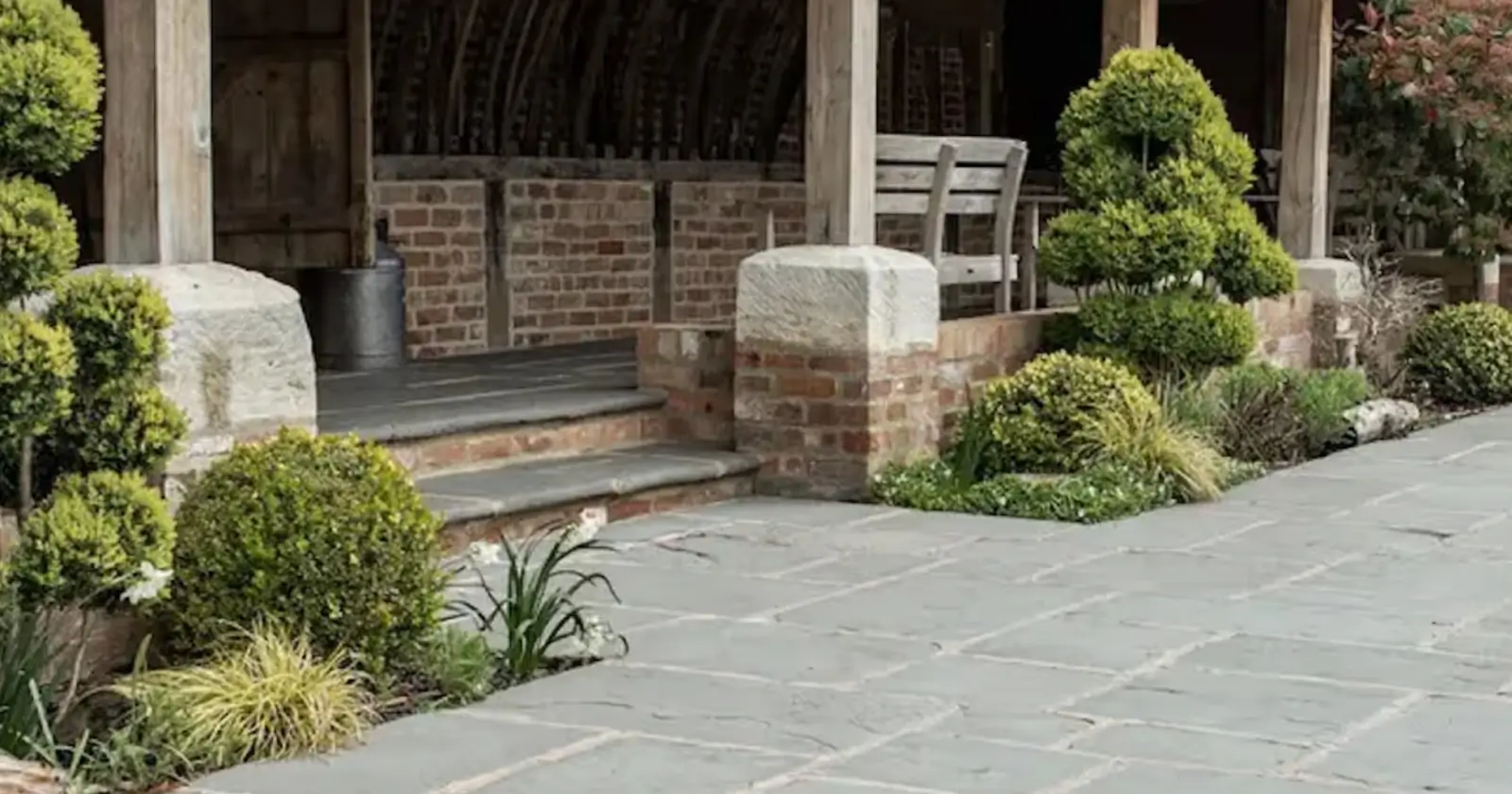
Stone slabs have long been a staple in landscape design because of their durability and naturally unique appearance. Each slab carries its own patterns, tones, and textures, giving outdoor spaces a custom look that’s difficult to replicate with manufactured materials. Whether you prefer the rustic charm of irregular slabs or the clean lines of cut stone, natural stone integrates seamlessly with outdoor environments.
In addition to their aesthetic benefits, stone slabs are known for their longevity. Many types of natural stone are resistant to weathering, fading, and cracking over time. When properly installed, stone can withstand heavy foot traffic and seasonal temperature changes without significant deterioration. This makes stone slabs a reliable choice for long-term outdoor use.
The Practical Benefits of Concrete
Concrete, on the other hand, is valued for its affordability and versatility. Because it can be poured into virtually any shape, it’s suitable for projects that require specific dimensions or continuous surfaces. Concrete can also be tinted, stamped, or textured to mimic other materials, making it a customizable option for homeowners looking to achieve a particular style at a lower cost.
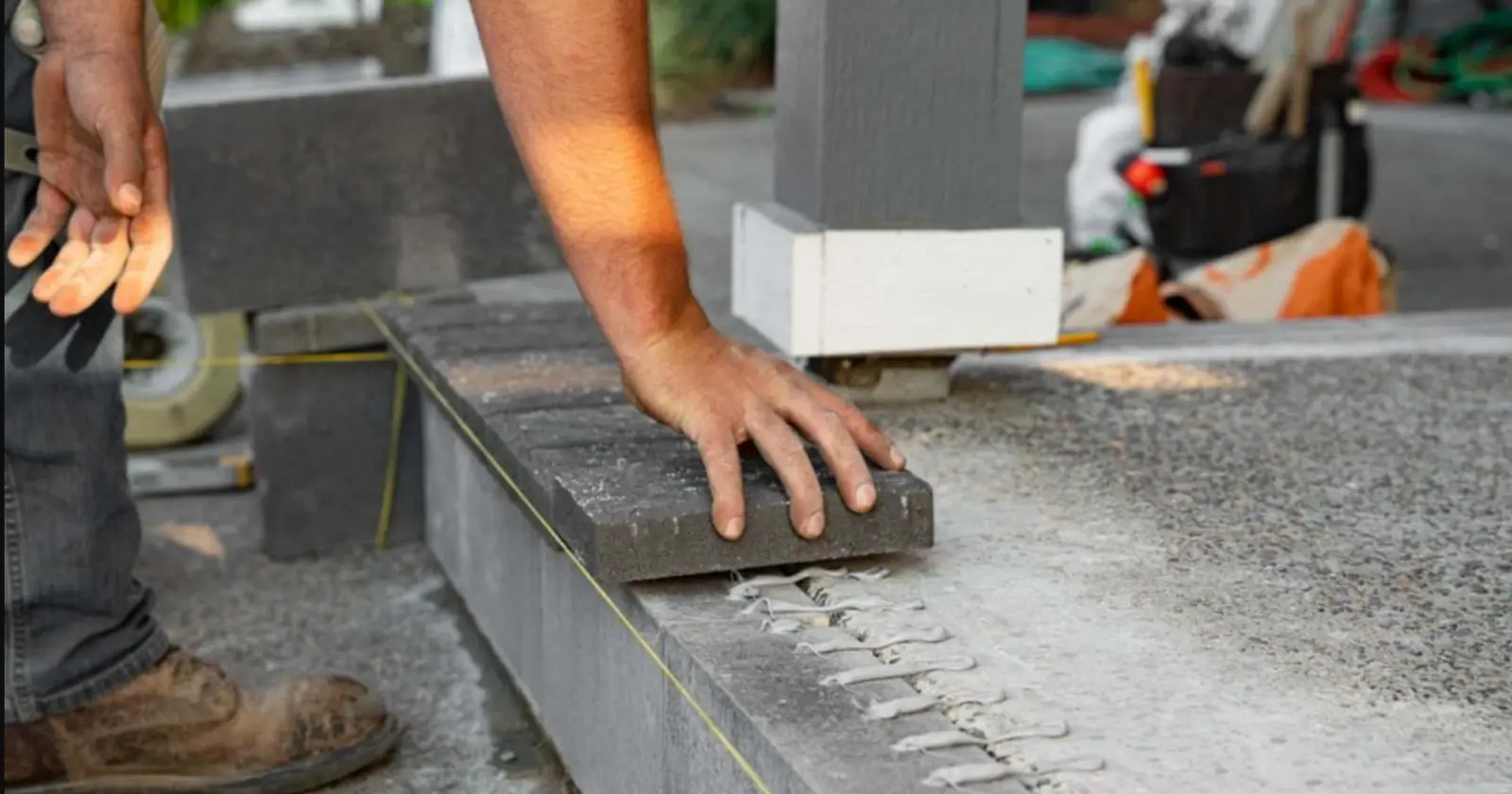
However, it’s important to note that concrete’s longevity is tied heavily to proper installation and environmental conditions. Freeze-thaw cycles can cause cracking over time, and repairs are often more noticeable than with natural stone. While concrete may offer a lower upfront price, maintenance and repairs may accumulate over the years depending on climate and usage.
Stone Slabs vs. Concrete: Key Differences
When comparing stone slabs vs concrete, several factors come into play:
1. Appearance
- Stone slabs provide a naturally varied look that enhances landscapes organically.
- Concrete can imitate stone but often lacks the depth and character of authentic materials.
2. Durability
- Stone is naturally dense and weather-resistant.
- Concrete is durable but more susceptible to cracking and surface wear.
3. Maintenance
- Stone slabs may require occasional leveling or joint filling but tend to age gracefully.
- Concrete may require sealing, resurfacing, or crack repair over time.
4. Cost
- Concrete generally costs less upfront.
- Stone slabs, while pricier initially, often offer greater long-term value due to their longevity.
5. Environmental Impact
- Stone is a natural product with minimal processing.
- Concrete involves manufacturing processes that may have higher carbon output.
Which Should You Choose?
Ultimately, the choice between stone slabs and concrete comes down to priorities. If you’re seeking a timeless, natural material that blends into the landscape and offers long-lasting durability, stone slabs are an excellent option. If budget constraints or custom shaping are your primary considerations, concrete may be the more practical choice.
Outdoor spaces are an extension of the home, and choosing the right material can significantly impact both functionality and aesthetic value. By weighing the pros and cons of stone slabs vs concrete, homeowners and builders can make more informed decisions and create outdoor areas that remain beautiful for years to come.