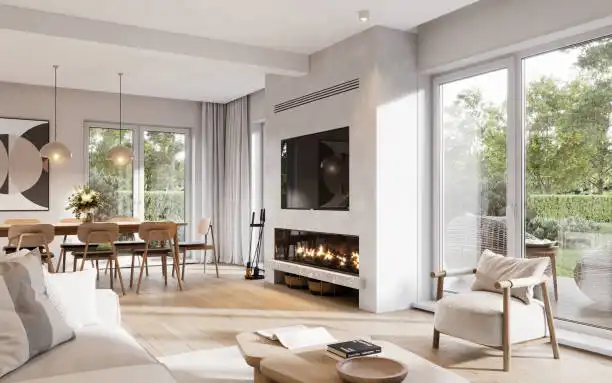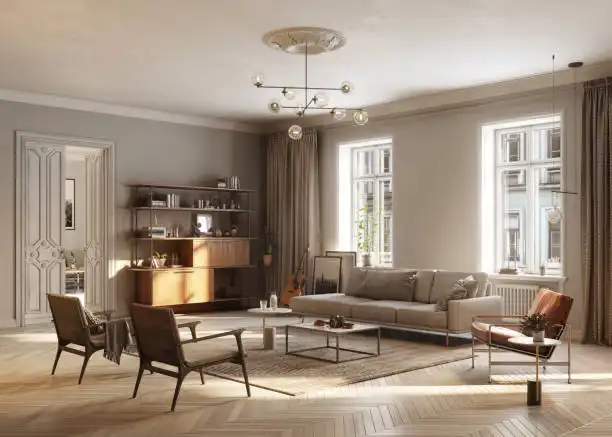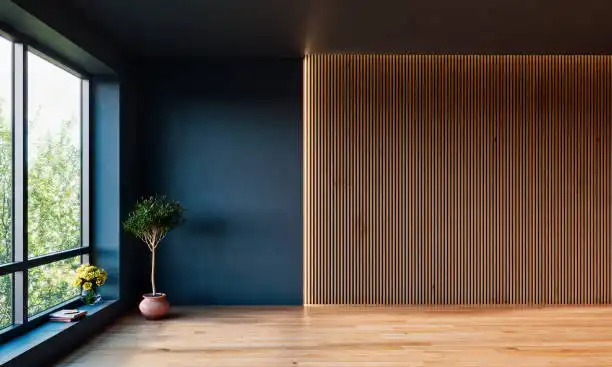

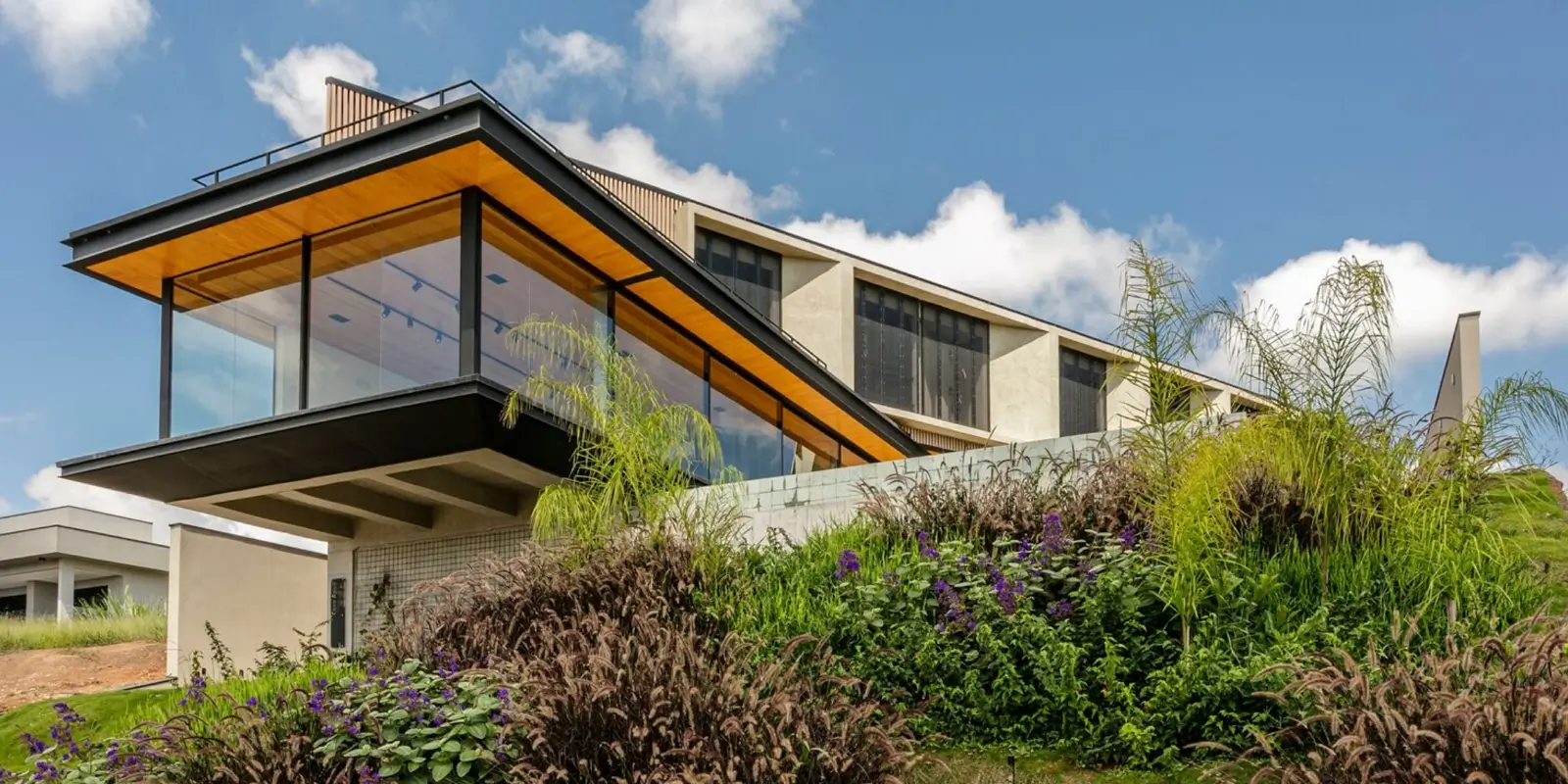
Innovative residential architecture today is less about visual statements and more about intelligent decision-making. It focuses on how spaces support daily life, adapt to change, and remain relevant over time. A strong example of this approach is HMA Architecture, a full-service residential architecture studio delivering custom homes, estates, multi-family projects, subdivision housing, and complete interior design services through a unified design process.
Well-designed architecture rarely draws attention to itself. Instead, it creates clarity. Movement feels natural. Light is intentional. Spaces support how people actually live, not how a floor plan is supposed to look.
Rethinking Innovation in Residential Architecture
Innovation in residential design is often confused with novelty. In practice, it is about reducing friction between people and their environment. Innovative homes are easier to live in, easier to maintain, and more flexible over time.
Modern households require spaces that can shift roles throughout the day. Residential architecture responds to this by creating adaptable layouts, clear zoning, and thoughtful transitions between private and shared areas.
The Value of Full-Service Residential Architecture
One of the most significant shifts in contemporary residential design is the move toward full-service architecture. When architecture and interior design are developed together, the result is coherence rather than compromise.
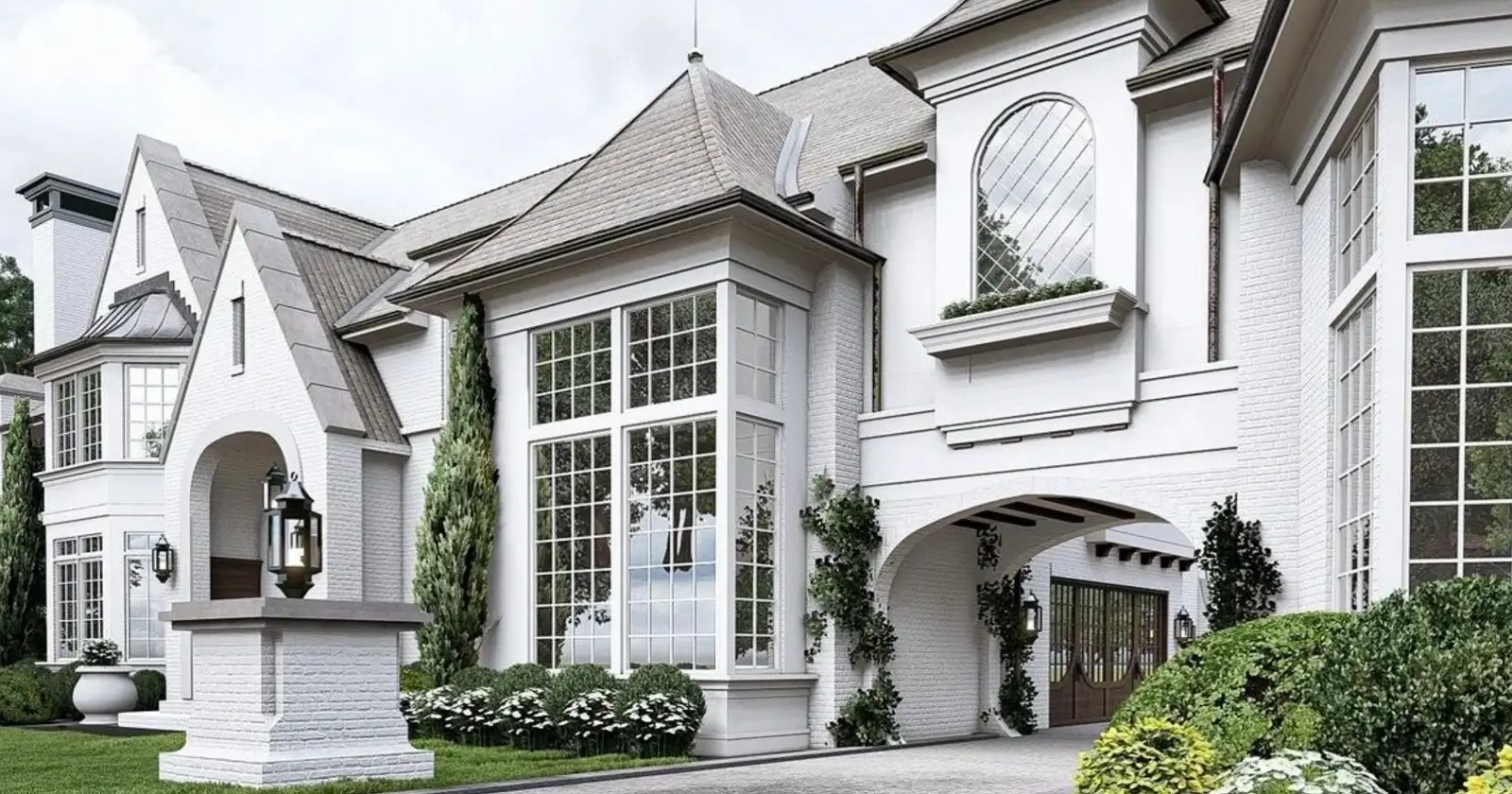
HMA Architecture offers a comprehensive residential scope that includes:
- Custom single-family homes tailored to individual lifestyles
- Large residential estates with carefully managed scale
- Multi-family residential projects balancing density and livability
- Subdivision housing and community-scale developments
- Complete interior design services integrated with the architectural vision
This integrated approach minimizes design gaps and ensures that decisions made early in the process are carried consistently through construction and interior completion.
Custom Homes Designed for Longevity
In custom residential projects, innovation is rarely about excess. It is about precision. Successful custom homes prioritize proportion, natural light, circulation, and long-term functionality.
Thoughtful residential architecture considers how a home will be used years from now, not just how it appears on completion. Flexibility, storage integration, and efficient spatial planning allow custom homes to evolve alongside their owners.
Residential Estates and the Challenge of Scale
Designing large residential estates requires careful control of scale. Without clear organization, large homes can feel fragmented or impersonal. Innovative estate architecture focuses on creating a sequence of spaces that remain grounded in human experience.
Through disciplined planning and interior continuity, large residences can retain warmth, clarity, and a strong sense of place.
Multi-Family Residential Design at Higher Density
Multi-family residential architecture presents a different kind of innovation challenge. Here, quality of life must be preserved within tighter spatial and regulatory constraints.
Well-designed multi-family projects rely on efficient unit layouts, access to daylight, acoustic consideration, and shared spaces that feel purposeful rather than residual.
Subdivision Housing as a System
Subdivision housing demands consistency without monotony. Innovation in this context often comes from system-based thinking: repeatable plans that allow variation, privacy, and adaptability.
When designed thoughtfully, subdivision housing supports community while maintaining individual identity and comfort.
Interior Design as an Extension of Architecture
Interior design is most effective when it is not treated as decoration but as an extension of architectural intent. Materials, lighting, and spatial proportions established in the structure should continue seamlessly inside.
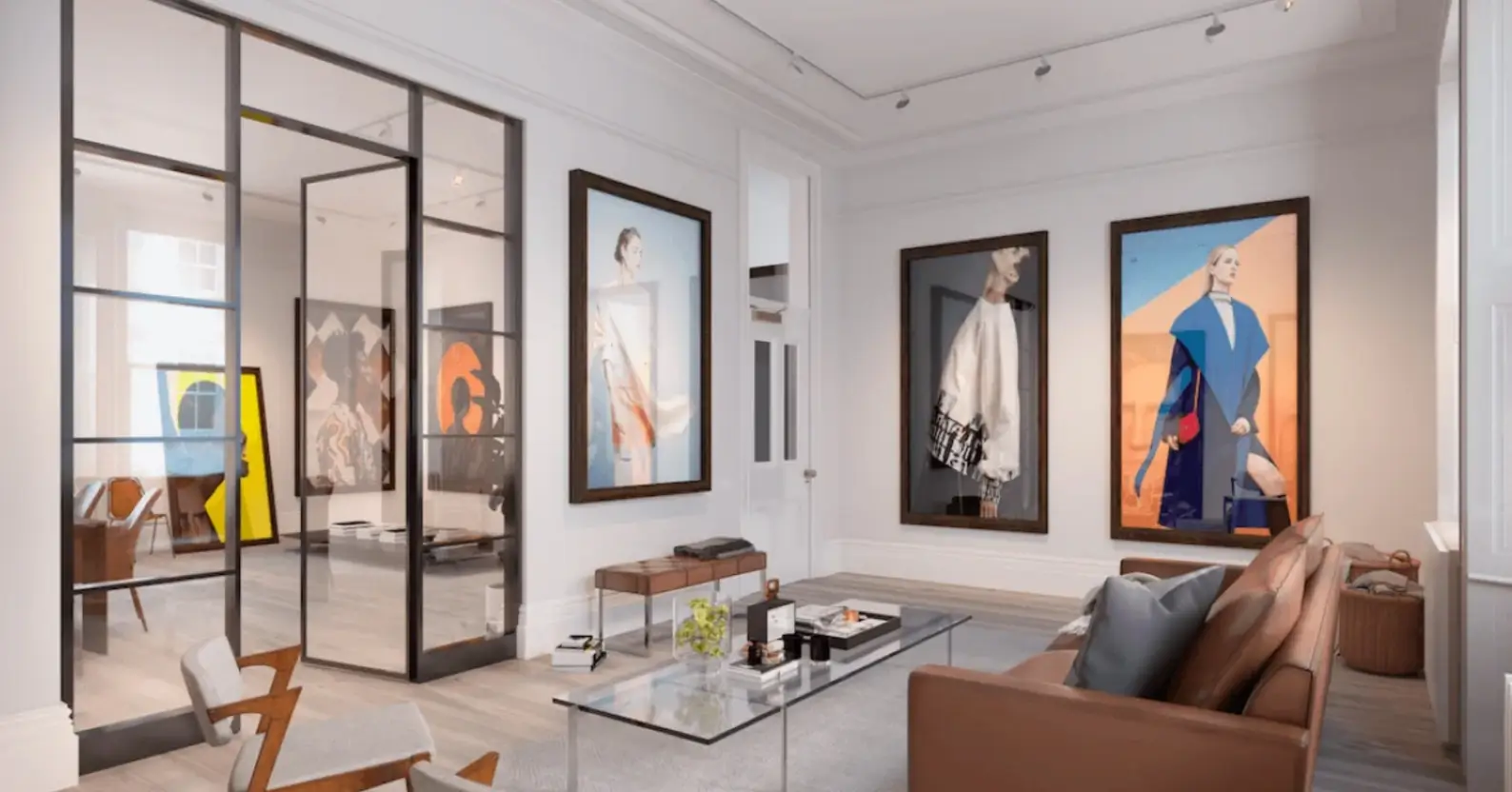
Complete interior design services ensure that residential spaces feel resolved, functional, and calm rather than layered or disjointed.
Sustainable Thinking as a Design Baseline
Sustainability in residential architecture works best when integrated early. Passive strategies, durable materials, and efficient layouts contribute to long-term performance without visual compromise.
The most successful sustainable homes are those where efficiency is built into the design rather than added as a feature.
A Coherent Future for Residential Architecture
The future of residential design favors coherence over spectacle. Integrated architecture and interior design, thoughtful planning, and long-term adaptability define truly innovative homes. Full-service studios like HMA Architecture demonstrate how residential architecture can remain both practical and enduring across custom homes, estates, multi-family projects, subdivision housing, and complete interior environments.