
In the world of farming, water conservation is a pressing concern that has driven innovation for decades. One notable product that gained attention was the Tree T-Pee, introduced on Shark Tank in its fifth season. This product aimed to help farmers reduce water usage while ensuring that their trees received adequate moisture. Having spent years observing various agricultural methods and products, I’ve encountered both the promise and the pitfalls of such innovations.
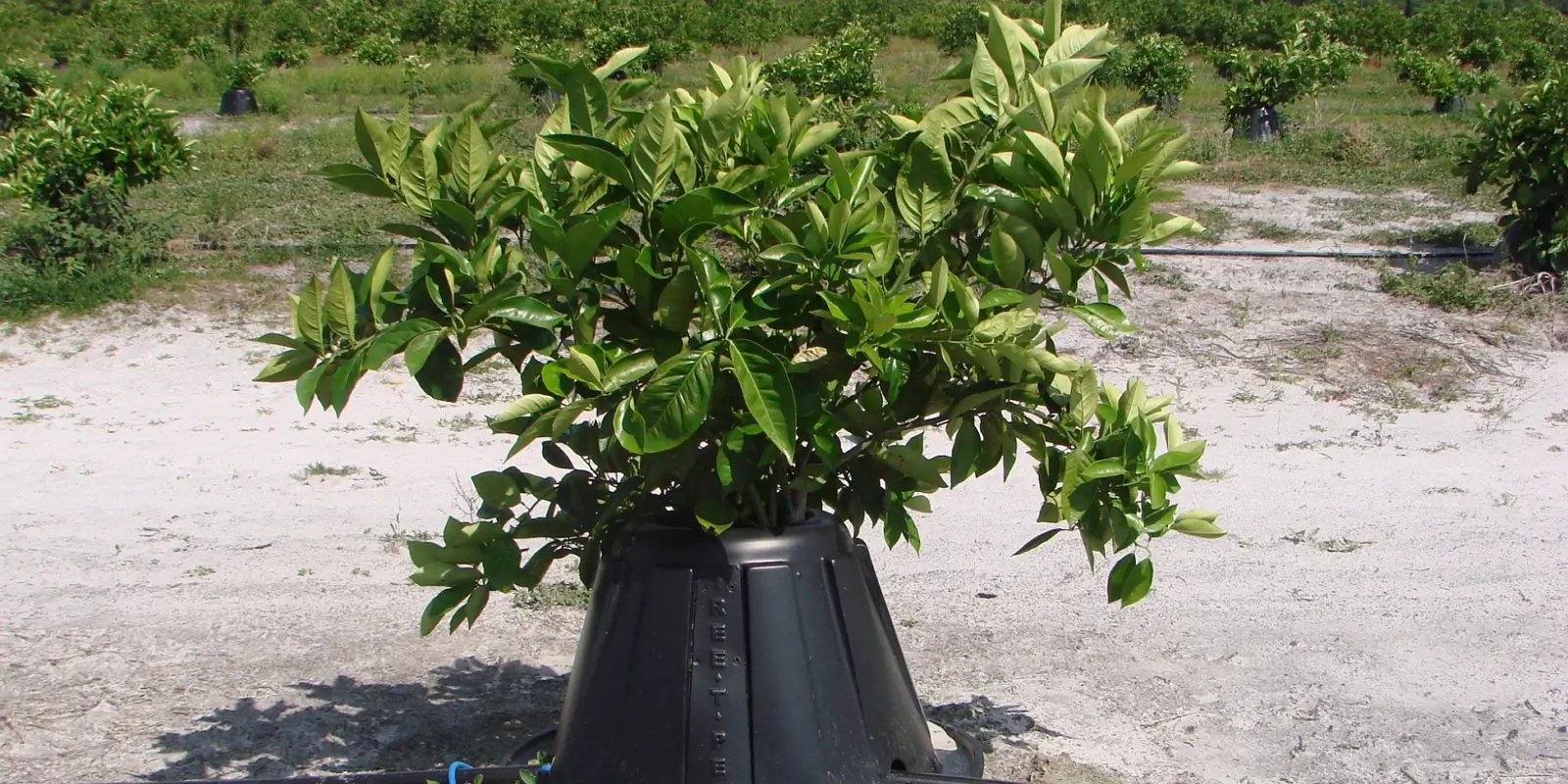
The Tree T-Pee is designed to create a microenvironment around the base of young trees, capturing moisture and directing it to the roots where it’s needed most. In theory, this sounds beneficial. However, practical application often reveals complexities that aren’t immediately apparent. For instance, the material used in the T-Pee can degrade over time, especially when exposed to the elements. In areas with intense sunlight, I’ve noticed that UV exposure can lead to premature wear, causing the product to lose its effectiveness sooner than expected. Farmers must be vigilant, as a worn or damaged T-Pee can lead to insufficient watering, which could stress young trees.
Another observation is related to installation. While the design allows for relatively easy setup, the realities of uneven terrain and varying soil types can complicate the process. In my experience, ensuring a snug fit around the tree’s base is crucial. If the T-Pee is not properly secured, it may shift or become dislodged during heavy rains or winds, negating its intended purpose. This is particularly evident in regions that experience sudden weather changes, where a farmer’s attention to detail can make a significant difference in the product’s performance.
Over time, the effectiveness of the Tree T-Pee can also be influenced by the specific conditions of the farm. In areas with heavy clay soils, for example, moisture retention can be a double-edged sword. While the T-Pee aims to keep moisture in, the natural drainage properties of the soil can sometimes lead to waterlogging, which could harm the tree’s roots. Understanding the local soil composition and moisture dynamics is essential when implementing any water conservation strategy.
While the initial enthusiasm surrounding the Tree T-Pee was palpable, its long-term viability often hinges on a farmer’s ability to adapt and monitor the product within their specific environment. Some users have reported satisfactory results, while others have faced challenges that require constant adjustments. These experiences underscore the importance of not just adopting new technologies, but also continually assessing their performance in real-world conditions.
As this product navigates its place in the market, it serves as a reminder that innovation in agriculture is a journey filled with both promise and practical challenges. The Tree T-Pee has potential, but like many products, its success is ultimately determined by the hands that use it and the environments it is placed in.