

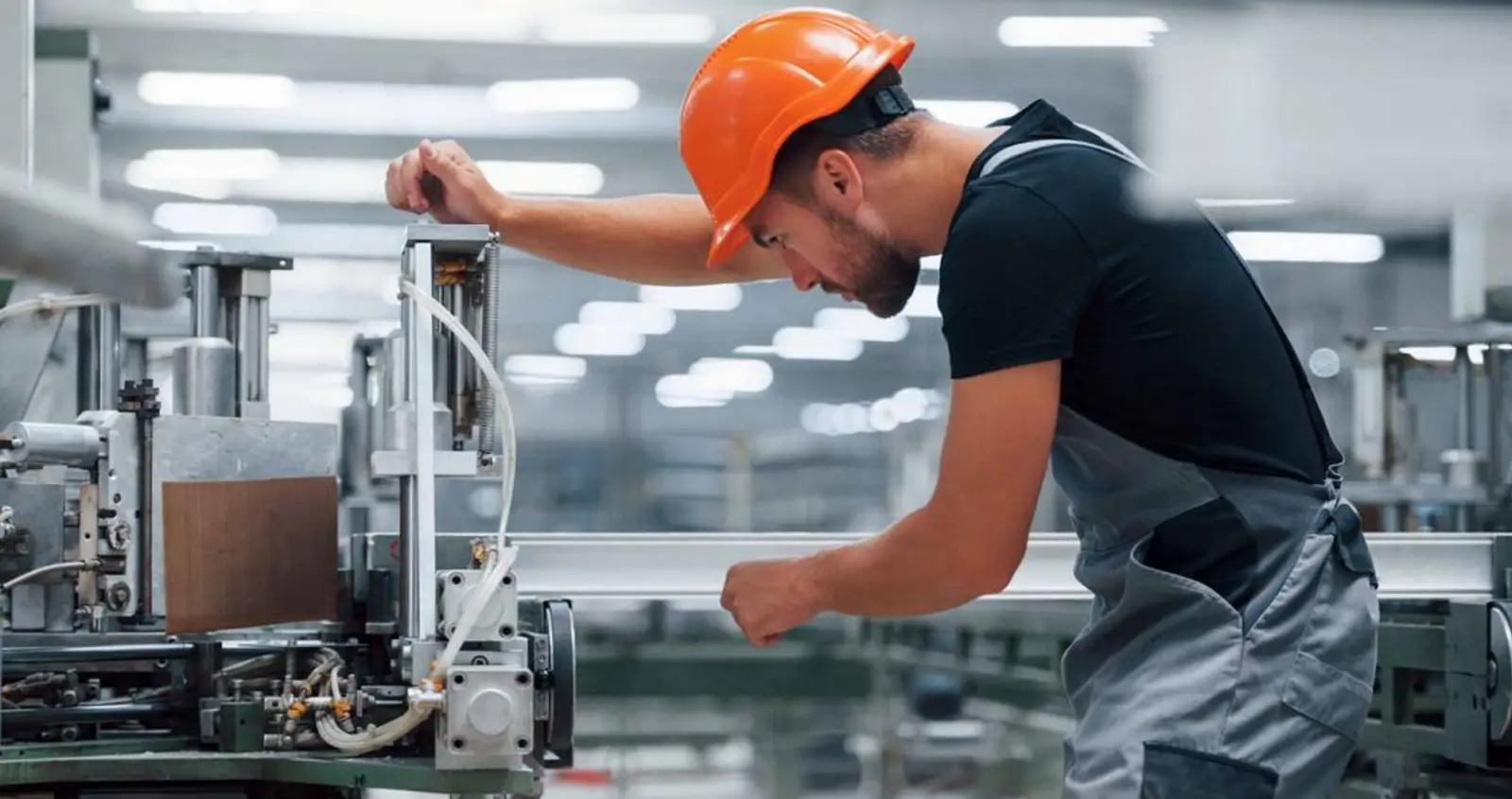
In the world of industrial manufacturing, fabrication capabilities define the limits—and potential—of what a metalworking company can accomplish. Whether it’s building massive pressure vessels, custom assemblies, or precision-machined components, the range of services a fabricator offers directly impacts the quality, efficiency, and success of every project. Understanding these capabilities helps engineers, project managers, and procurement teams select the right fabrication partner for their unique requirements.
The Foundation of Fabrication Capabilities
At its core, fabrication is the process of transforming raw metal into finished products or components through cutting, forming, welding, machining, and assembly. But not all fabricators operate at the same level. Some specialize in lightweight sheet metal projects, while others focus on heavy metal fabrication—the kind that demands advanced machinery, technical expertise, and stringent quality control.
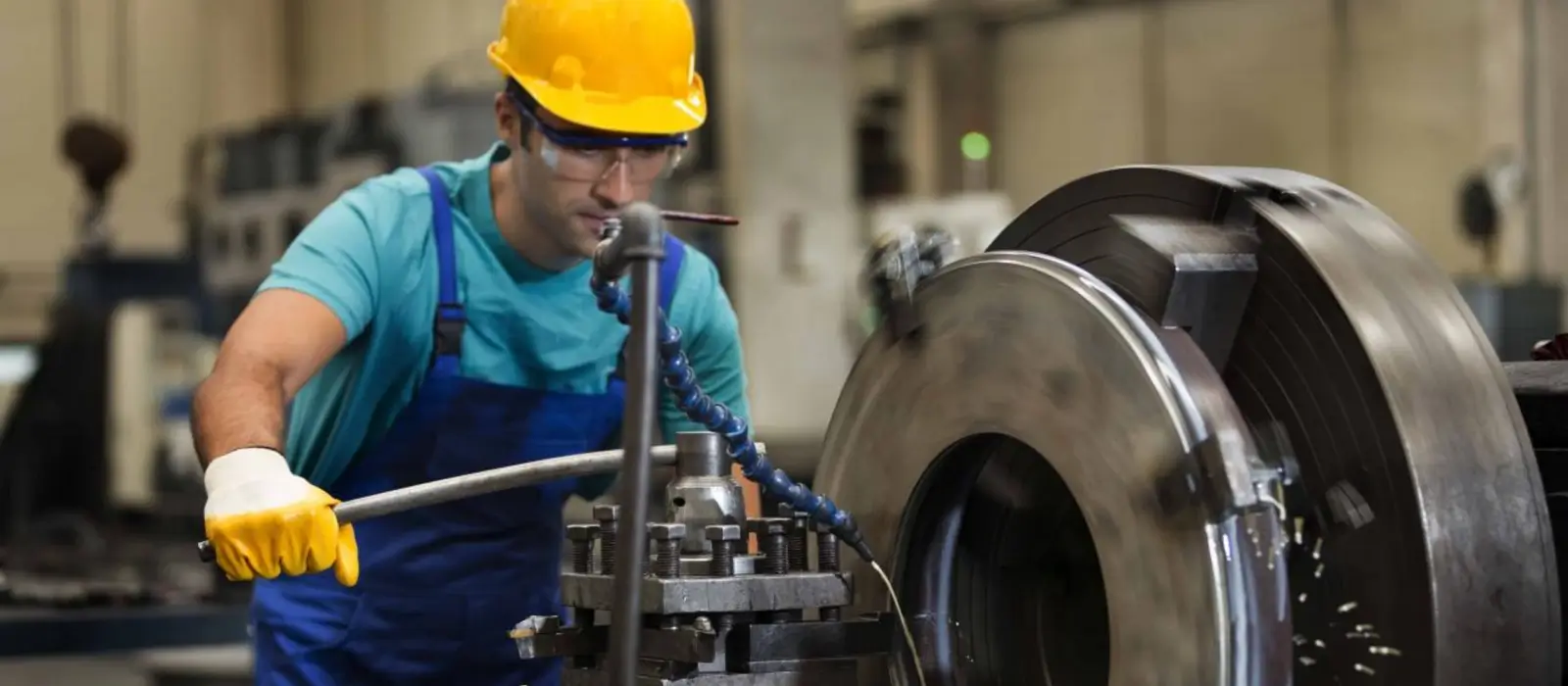
A fabricator’s true capability lies in its ability to manage complexity. This includes handling large-scale materials, executing precision welds on high-grade alloys, and maintaining dimensional accuracy across large components. The more comprehensive the capabilities, the more value a fabricator brings to complex industrial projects.
Core Areas That Define Fabrication Strength
- Material Handling and Equipment Capacity – Large or heavy projects require cranes, positioners, and specialized equipment capable of lifting and rotating substantial loads. Facilities equipped for high-capacity work ensure safety and accuracy when fabricating oversized structures.
- Cutting and Forming Technology – From plasma and laser cutting to heavy plate rolling, advanced tools enable precise shaping and edge preparation. Automated systems also improve consistency and reduce waste, making projects more efficient.
- Welding Expertise – Welding is at the heart of metal fabrication. Skilled welders and certified procedures are crucial when working with carbon steel, stainless steel, or exotic alloys. This ensures the integrity of pressure vessels, tanks, and other mission-critical components.
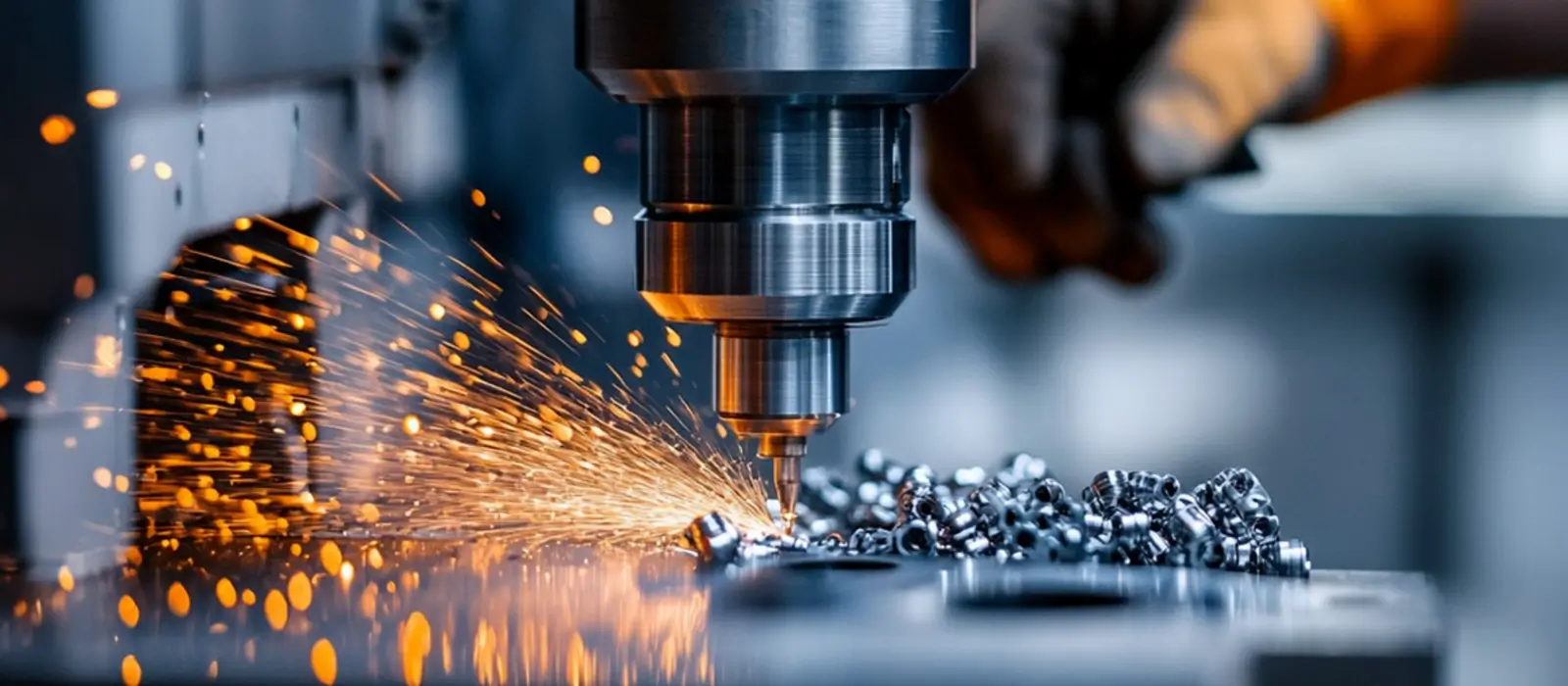
- Machining and Finishing – Precision machining enhances component fit and performance. Advanced mills, lathes, and drills allow fabricators to complete assemblies to exact specifications before surface finishing and testing.
- Engineering and Design Support – Fabrication capabilities aren’t limited to shop floor equipment. Many leading fabricators offer in-house engineering support, design review, and CAD modeling to optimize manufacturability before production begins.
- Testing and Quality Assurance – Non-destructive testing (NDT), hydrostatic testing, and quality documentation verify that fabricated components meet industry standards and customer requirements. This commitment to quality ensures reliability and safety in operation.
Why Fabrication Capabilities Matter
For industries such as power generation, oil and gas, water treatment, and manufacturing, choosing a fabricator with the right capabilities can be the difference between project success and costly downtime. A company that offers full-service fabrication—from material procurement through delivery—simplifies communication, shortens timelines, and guarantees accountability throughout the process.
Additionally, working with a fabricator that continually invests in new technology demonstrates long-term reliability. Advanced machinery, modern facilities, and skilled technicians all contribute to improved turnaround times and consistent results.
The Future of Fabrication
Fabrication capabilities continue to evolve as automation, robotics, and digital modeling become more integrated into industrial workflows. These advancements not only increase precision but also reduce lead times and material waste. As industries demand higher performance and faster production, fabricators with diversified capabilities are better positioned to meet those challenges.
In summary, understanding fabrication capabilities is essential for anyone sourcing metal components or custom assemblies. It’s not just about what a fabricator can build—it’s about how efficiently, safely, and precisely they can do it. Companies with advanced capabilities stand out for their ability to handle complex, large-scale projects while maintaining the high standards that modern industries demand.