
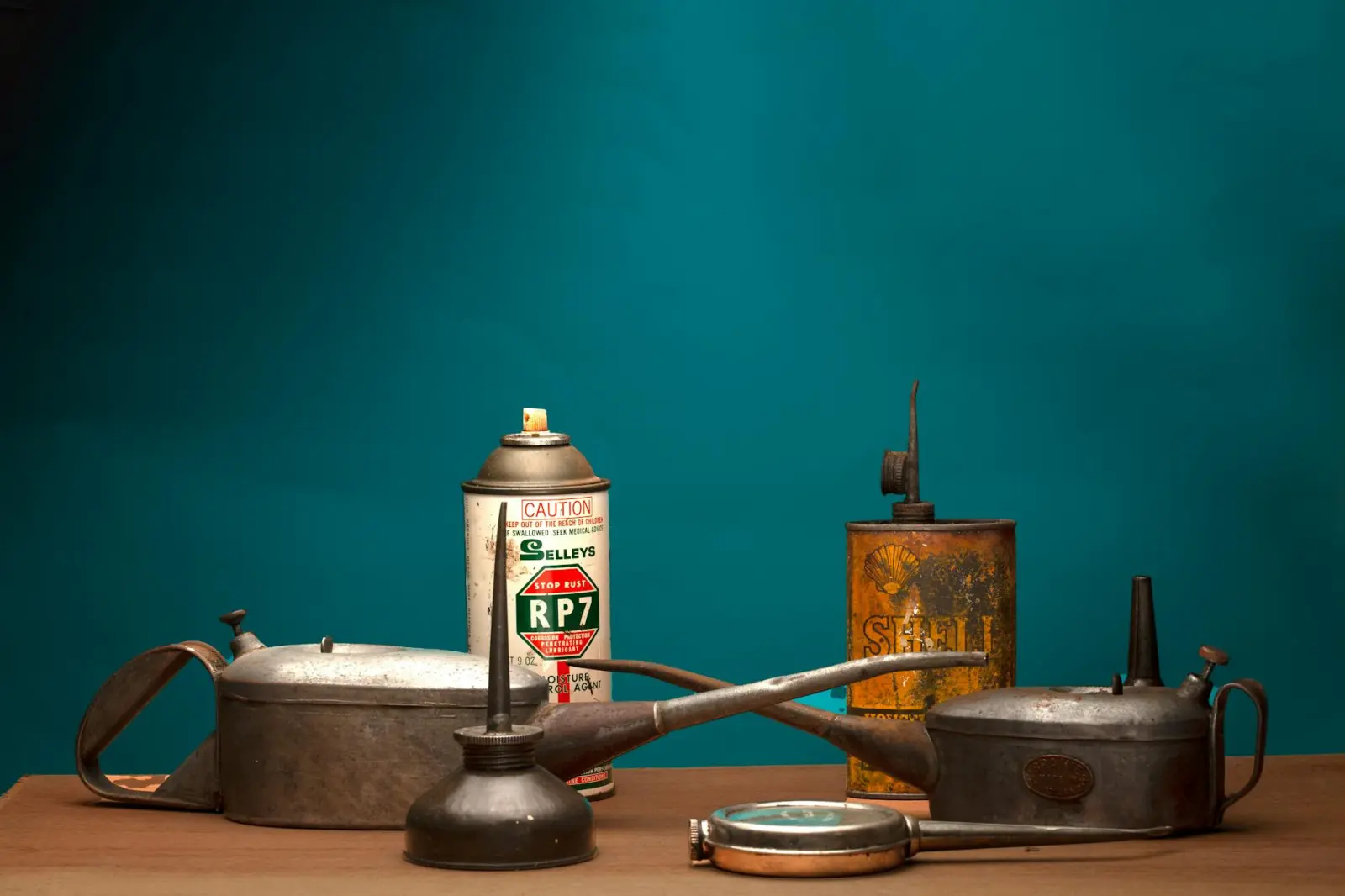
Having spent years working on various vehicles and observing the environments they inhabit, I’ve come to appreciate how certain items can tell stories about their past. Vintage tins, often found in thrift stores or estate sales, are a prime example. These metal containers, typically made from tinplate, have been around for centuries. Their durability and nostalgic appeal make them intriguing finds, but they also present unique challenges when integrated into a home setting.
One common issue I’ve noticed is how these tins can deteriorate over time, especially if they’ve been stored in damp or humid areas such as basements or garages. Rust is a frequent problem, as moisture seeps into the metal, compromising its integrity. This can be particularly concerning for collectors who may overlook signs of wear. A small patch of rust might seem harmless at first, but it can quickly spread, weakening the entire piece.
Additionally, the condition of vintage tins can vary greatly depending on their usage. Those that were used for food storage often show more wear, with potential staining or corrosion from the contents they held. Tins that were purely decorative might appear in better shape but can still suffer from fading paint or scratches. The context in which they were kept – whether exposed to sunlight or tucked away in a dark corner – also plays a significant role in their preservation.
Another aspect to consider is the finish of the tins. Many were painted with vibrant colors and intricate designs, which can fade or chip over time. This wear can detract from their aesthetic appeal and value, especially for collectors who prioritize pristine condition. However, some collectors appreciate the character that comes with age, viewing wear as a testament to the tin’s history.
In my experience, the best approach when encountering vintage tins is to evaluate their overall condition with an understanding of their likely history. Look for signs of rust, fading, and wear, recognizing that these factors can significantly impact both their functionality and collectible value. While some may choose to restore these items, others prefer to leave them in their original state, which can sometimes tell a more compelling story.
Ultimately, vintage tins are more than just decorative pieces; they are remnants of the past that can evoke memories and spark conversations. Their presence in a home speaks to a blend of nostalgia and practicality, making them a worthwhile subject of consideration for anyone interested in the intersection of history and home decor.