

In the realm of residential spaces, subtle changes in daily habits can have a surprisingly significant impact on overall energy consumption. Over the years, I’ve witnessed how seemingly minor adjustments can lead to tangible savings, both in energy bills and environmental impact. It’s often the case that homeowners overlook these opportunities, focusing instead on larger, more complex projects.
Take, for instance, the way we use heating and cooling systems. Many people set their thermostats and forget them, but small shifts in temperature settings can lead to noticeable differences. A few degrees cooler in winter or warmer in summer can reduce energy use without sacrificing comfort. In my experience, homes that maintain a consistent but slightly adjusted temperature often see less strain on their HVAC systems, extending their lifespan and reducing the frequency of maintenance issues.
Another common area of oversight is the use of appliances. Many households utilize energy-intensive devices during peak hours, often without realizing the cumulative effect this has on their monthly bills. Shifting the timing of laundry or dishwashing to off-peak hours can be a straightforward way to lower energy costs. I’ve seen homes with smart meters that track usage patterns, and those that adjust their habits accordingly often report a significant reduction in consumption.
Lighting Choices and Usage
Lighting is another aspect where small changes yield substantial results. The transition from incandescent bulbs to LED options is now well-known, but what often goes unnoticed is the habit of leaving lights on in unoccupied rooms. In my experience, even the most energy-efficient bulbs can’t compensate for the energy wasted by neglect. Encouraging a culture of turning off lights when leaving a room can help mitigate this waste. It’s a simple action that, when consistently practiced, can lead to noticeable savings over time.
Insulation and Sealing
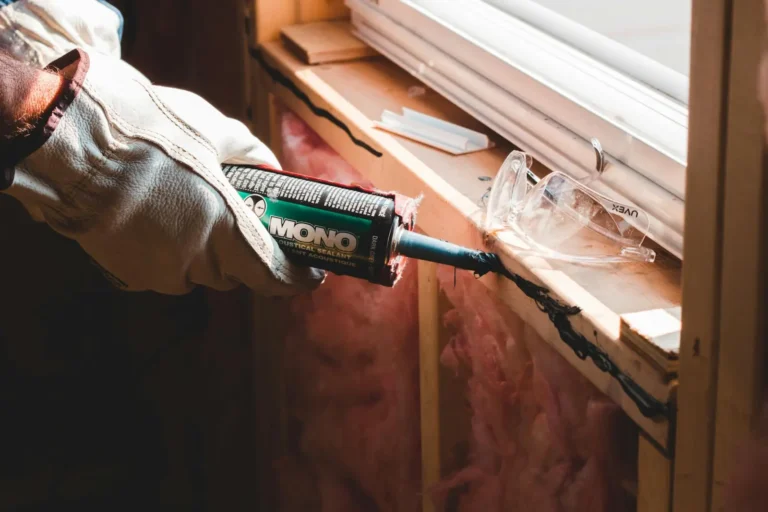
Another factor that frequently goes unaddressed is the condition of insulation and sealing around windows and doors. Homes that lack proper sealing often suffer from drafts, leading to increased heating and cooling demands. In my observations, even a weekend spent checking and improving weather stripping or caulking can yield immediate benefits. It’s not uncommon for homeowners to experience a more stable indoor temperature after addressing these issues, reducing the workload on heating and cooling systems.
Finally, the impact of daily routines cannot be overstated. Simple practices like unplugging devices that are not in use or using power strips to manage energy consumption can add up over time. I’ve seen many households benefit from just a little mindfulness regarding their energy use. It’s not about making drastic lifestyle changes but rather being aware of the small adjustments that can lead to improved efficiency. The goal is to create a living environment that is not only comfortable but also sustainable.
In essence, these observations highlight that energy efficiency doesn’t always require significant investments or extensive renovations. Often, it’s the small, consistent changes in behavior that can lead to meaningful improvements in energy consumption and overall household efficiency. The key lies in awareness and a willingness to adapt everyday habits.