

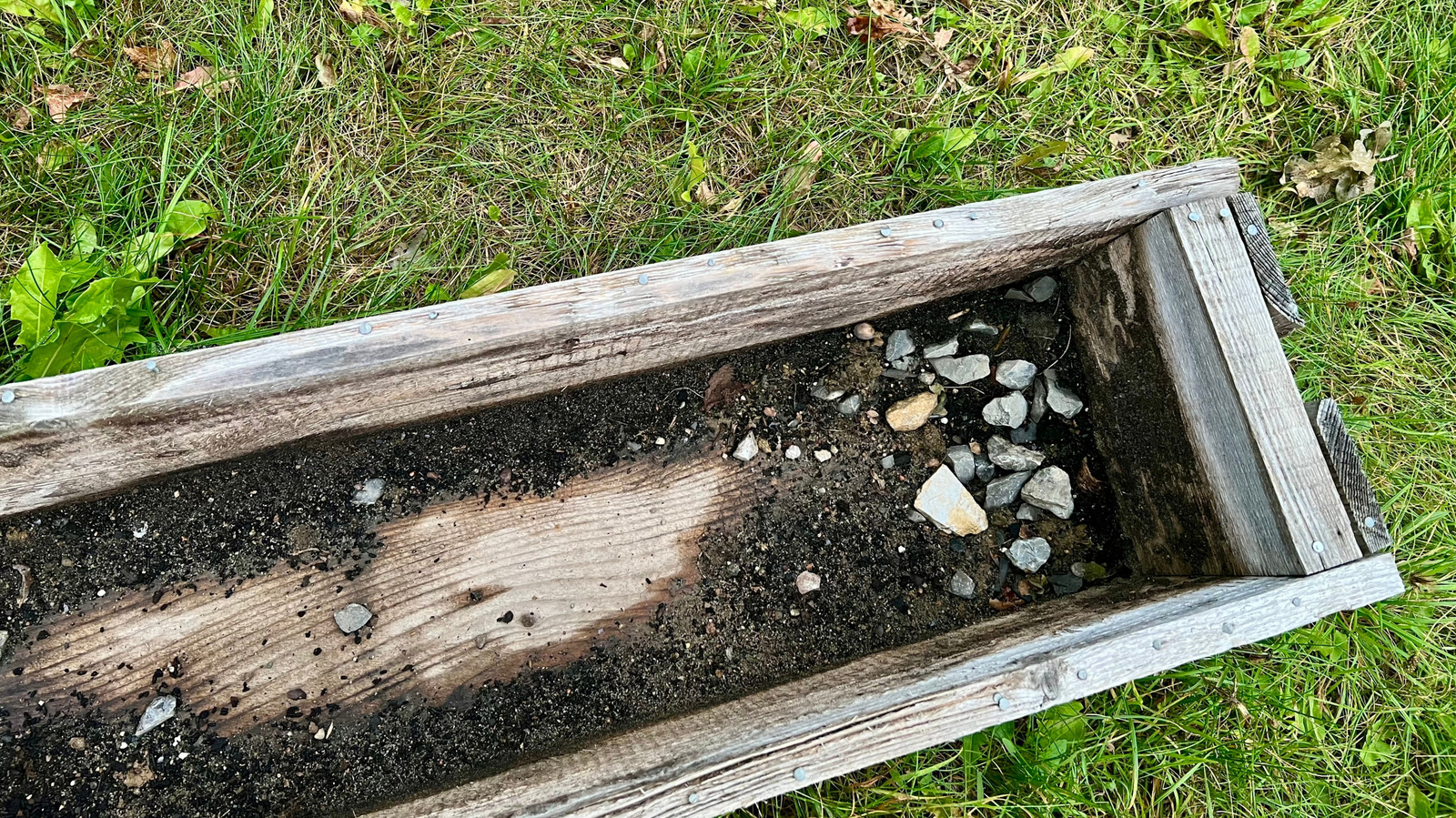
While wood planters are generally low maintenance, neglecting them can lead to a yard filled with rotting boxes. Regular cleaning is crucial to maintaining their condition, alongside protecting them from moisture. The process is straightforward: all you need is soap, water, and a soft brush or cloth.
It’s recommended to give your wood planters a thorough cleaning with soap at least once a year. Realistically, you can clean them whenever they’re not in use – such as when preparing last year’s planters for a new gardening season or when potting a plant. This timing is crucial since fungi and insects can linger, increasing the risk of disease transfer between plants. Regularly cleaning the outside of the planters also helps maintain their durability and aesthetic appeal.
While disinfecting might be necessary for other types of planters like plastic or clay, wood planters are often naturally resistant to fungi and bacteria. Harsh chemicals like bleach can weaken wood, so it’s best to use them sparingly, if at all. Stick to milder soaps instead.
Step-by-Step Guide to Cleaning Wood Planters
To clean, dilute a mild soap, such as dish soap, in water, and use the solution to scrub your wood planter with a soft brush or cloth. Make sure to scrub away any leftover dirt, algae, moss, or mineral deposits on the wood. Rinse the planter, avoiding soaking the wood completely to prevent moisture issues later. Allow it to dry fully before adding soil and plants again.
Avoid using harsh chemicals and high-pressure washers on raised garden beds or wood planters without special precautions. Excessive pressure can cause splinters, dents, or uneven surfaces if applied incorrectly. For delicate wood types, such as indoor planters, even a standard garden hose may cause damage; use a dry or damp cloth for cleaning instead.
After cleaning, it’s a good time to lightly sand the wood and reapply any treatments, oils, finishes, or stains. Check for other issues and address them as needed, such as applying a fungicide for fungal infections. If removing the soil from a large planter is impractical and disinfection is needed, consider soil solarization to deter pests. Cover the soil with clear plastic and leave it in the sun for four to six weeks.
“`