
In the realm of gardening, particularly with succulents, the allure of purple flowers can be captivating yet somewhat elusive. Over the years, I’ve encountered various species that promise to deliver that dramatic burst of color, but the realities of maintenance and environmental factors often dictate their success in a residential setting.
One of the more common issues arises from the balance of sunlight and water. Succulents thrive in bright light, but too much direct exposure can scorch their leaves, stunting growth and reducing flower production. Conversely, inadequate light can lead to leggy plants that may bloom less vigorously. I’ve seen this firsthand in many home gardens where the placement of these plants in relation to sunlight is often overlooked. A simple adjustment in position can yield significantly different results.
Another factor to consider is soil composition. Many homeowners tend to use standard potting soil, which retains too much moisture for succulents. Over time, this can lead to root rot – an all-too-frequent issue that stifles blooming potential. When I’ve worked on various setups, I’ve found that a well-draining mix specifically designed for succulents can make a noticeable difference in their health and flowering capabilities.
Common Varieties and Their Traits
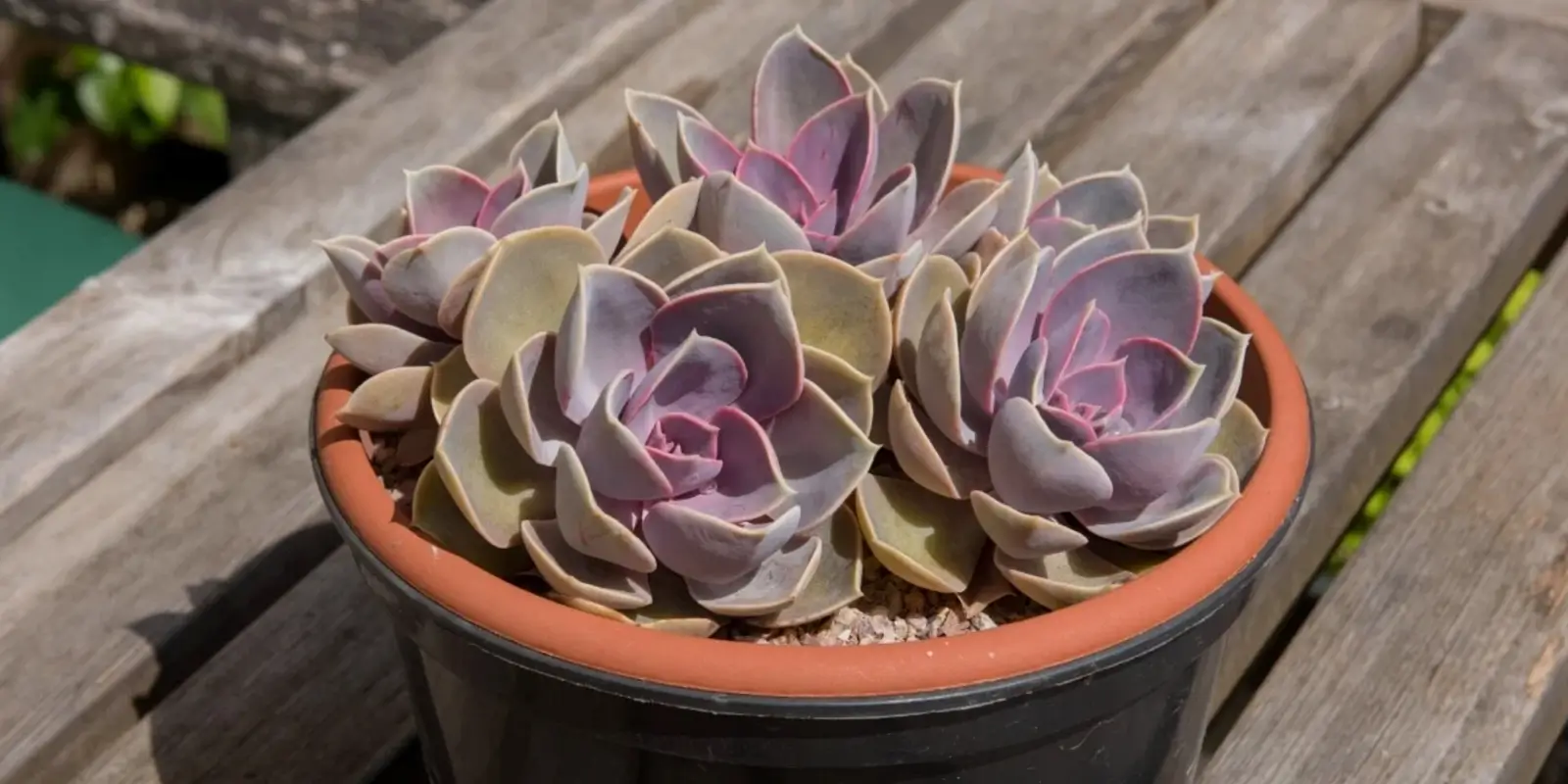
Among the succulents that consistently exhibit vibrant purple flowers are varieties like the Echeveria and the Graptopetalum. These species are not only visually striking but also relatively low-maintenance when given the right conditions. However, it’s essential to note that their blooming cycles can be affected by seasonal changes. For instance, many succulents tend to bloom in late spring or early summer. If they don’t receive adequate care during the preceding months, you might find that the anticipated flowers are sparse or absent altogether.
Environmental Considerations
Temperature fluctuations can also play a significant role. Succulents generally prefer stable, warm conditions. Extreme cold can lead to stress, which often manifests as poor growth or delayed blooming. In my experience, placing these plants in a garage or basement during colder months without sufficient light can hinder their natural cycles. The same applies to excessive heat; prolonged exposure to high temperatures can cause them to wilt. It’s a delicate balance that requires ongoing observation and adjustment.
As with any living plant, wear and tear over time is inevitable. The durability of succulents can be misleading; while they are hardy, they are not invincible. Regularly inspecting for signs of distress, such as discoloration or wilting, can help catch problems early. These symptoms can sometimes indicate environmental stress rather than a failure of the plant itself.
Ultimately, while the allure of purple-blooming succulents is undeniable, their success in a residential environment hinges on proper care and attention to detail. Each plant tells a story of its surroundings, and the right conditions can transform a simple succulent into a stunning focal point in any garden or indoor space.