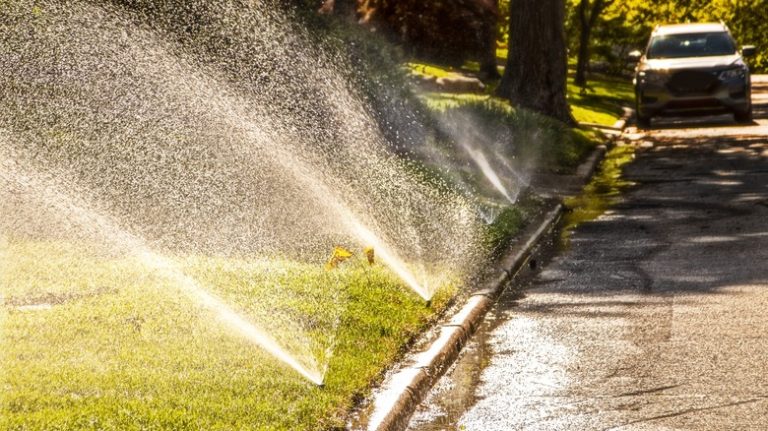


Maintaining a traditional lawn can often feel like a never-ending cycle of mowing, watering, and applying chemicals. Over the years, I’ve seen many homeowners struggle with the demands of a lush green yard. The costs – both financial and environmental – can outweigh the benefits, leading to a growing interest in no-mow landscaping solutions.
One common issue with conventional lawns is their susceptibility to various wear and tear factors. For instance, heavy foot traffic can quickly create bare patches, while excessive heat can lead to browning and die-off. I’ve often noticed how quickly a well-manicured lawn can deteriorate under these stresses, prompting homeowners to reconsider their approach. The reality is that a traditional yard requires constant attention, and many are now seeking alternatives that are easier to manage.
Exploring Alternatives
In my experience, homeowners have found success with ground covers like clover or creeping thyme. These options not only reduce the need for mowing but also contribute to soil health. I’ve observed that these plants can thrive in various conditions, often requiring less water than traditional grasses. However, they do have their challenges. For example, clover can attract bees, which might not be ideal for families with young children. Understanding these nuances is crucial when selecting the right ground cover.
Another trend I’ve encountered is the use of ornamental grasses and native plants. These species can provide visual interest while requiring minimal upkeep. Native plants, in particular, tend to be more resilient to local climate conditions, reducing the likelihood of failure. However, it’s essential to consider their growth habits. Some native plants can become invasive if not managed properly, potentially leading to a different set of maintenance challenges.
Practical Considerations
While the idea of a no-mow yard sounds appealing, it’s important to account for the realities of installation and long-term care. Soil preparation, for instance, is often overlooked. If the soil isn’t adequately amended before planting, the new landscape may struggle to establish itself. I’ve seen many projects falter at this stage, leading to patchy growth or a complete failure to thrive.
Additionally, it’s wise to think about how to manage weeds in a low-maintenance yard. While some ground covers can suppress weed growth, they are not foolproof. Regular inspections and occasional intervention are often necessary to keep invasive species at bay. It’s a balance that requires observation and a willingness to adapt.
In conclusion, transitioning to a no-mow landscape can provide significant benefits, particularly in terms of sustainability and reduced maintenance. However, it requires thoughtful planning and an understanding of the plants best suited for each unique environment. My years of experience have reinforced the idea that while the initial installation may seem straightforward, the long-term success of these landscapes hinges on the details. Observing how they respond to local conditions over time offers valuable insights for any homeowner considering this path.