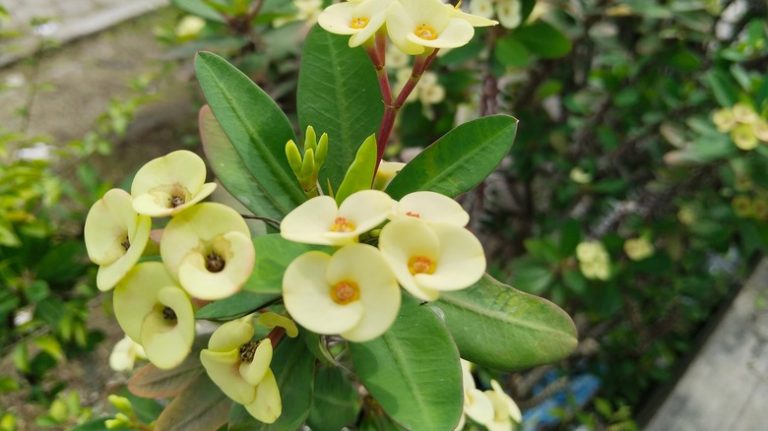

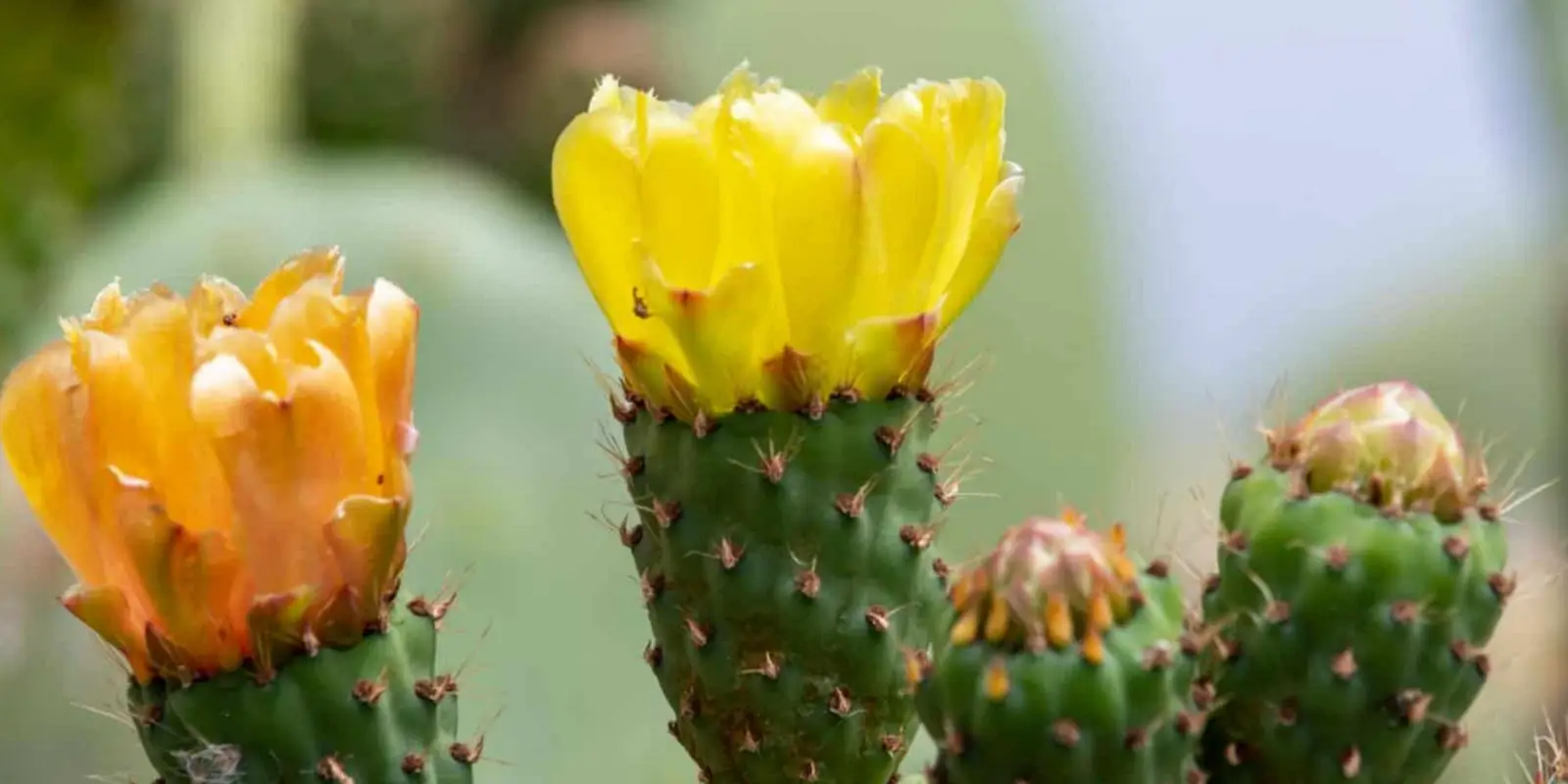
In many home gardens, succulents often take center stage due to their resilience and diversity. Among these hardy plants, some stand out not just for their robust nature but also for the vibrant yellow flowers they produce. This combination of durability and aesthetic appeal makes them a popular choice for both seasoned gardeners and those new to cultivating plants.
One notable characteristic of these succulents is their blooming patterns, which can vary significantly depending on environmental conditions. For instance, certain species will only flower under specific light conditions or temperature ranges. Over time, I’ve observed that succulents like Echeveria and Senecio can thrive in less-than-ideal conditions but may fail to bloom if they don’t receive adequate sunlight or if temperatures drop unexpectedly.
Another common observation is the impact of watering practices. While succulents are drought-resistant, overwatering can lead to root rot, which not only stunts growth but can also prevent flowering. In contrast, under-watering might delay blooms, as the plant conserves energy. Monitoring soil moisture levels is crucial, especially during the blooming season. In my experience, a careful balance is key.
Common Varieties and Their Characteristics
Among the varieties that produce yellow flowers, Graptopetalum paraguayense is a standout. Known for its rosette shape and delicate yellow blooms, it tends to flourish in well-drained soil. Yet, I’ve seen many gardeners overlook the importance of drainage, leading to disappointing results. The plant’s health can quickly decline if water pools around its roots.
Another variety worth mentioning is Crassula perfoliata, or the propeller plant, which not only features striking yellow flowers but also has a unique leaf structure. Like many succulents, it prefers bright light and can suffer if kept in too much shade. I’ve found that providing adequate sunlight not only encourages blooming but also enhances the overall health of the plant.
Environmental Factors That Influence Blooming
Temperature fluctuations can also play a significant role in a succulent’s ability to bloom. Many of these plants thrive in warmer conditions but can be surprisingly resilient to cooler temperatures, as long as they are not exposed to frost. However, prolonged exposure to cold can lead to stress, which may inhibit flowering. This is particularly evident in regions that experience dramatic seasonal changes.
In practical terms, understanding these dynamics can help in planning a garden that not only looks appealing but also thrives year-round. Observing how these succulents respond to their environment over time can provide valuable insights into their care and maintenance.
While the allure of bright yellow flowers can be enticing, it’s essential to consider the ongoing care these plants require. With the right attention to their needs, succulents can flourish and provide a vibrant touch to any home garden.