
In the realm of gardening, certain plant pairings reveal themselves through experience rather than theory. Azaleas and hydrangeas are one of those pairs that I’ve encountered repeatedly in various settings, each exhibiting a level of resilience that makes them ideal companions in residential landscapes.
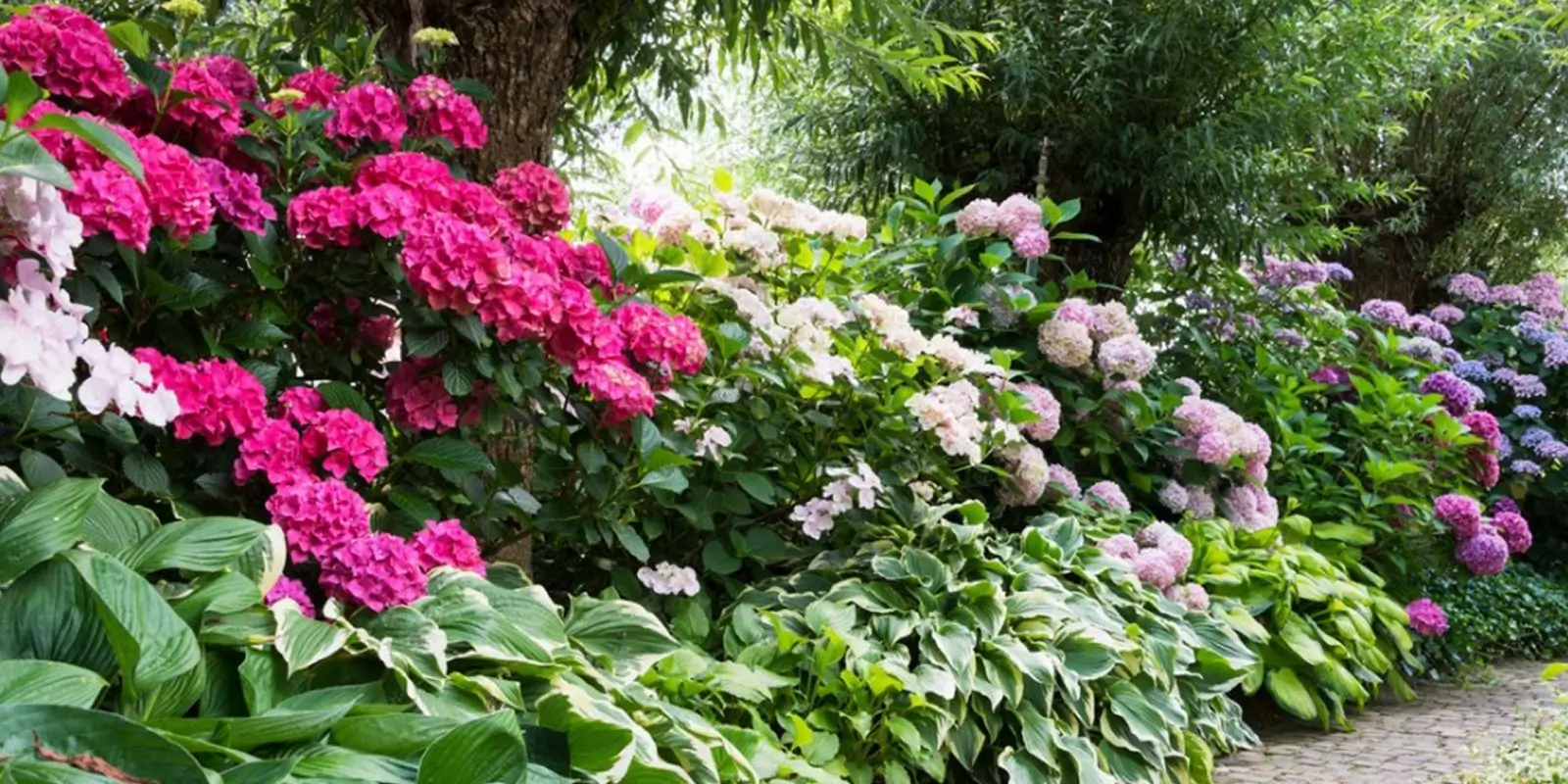
Both azaleas and hydrangeas bloom beautifully, often from mid to late summer. Their flowers can range from vibrant blues and pinks to more muted autumn hues, creating a visual tapestry that changes with the seasons. However, it’s their adaptability that truly stands out. These plants can thrive in a range of soil types and conditions, which is often overlooked by novice gardeners. I’ve seen them flourish in both sun-drenched yards and shaded corners, each proving that they can handle varying degrees of light exposure.
One common issue I’ve observed with these plants is their vulnerability to water stress. Hydrangeas, in particular, can droop dramatically during dry spells, while azaleas may exhibit leaf scorch if they are not adequately watered. This is a reminder that even resilient plants require attentive care, especially during extreme weather conditions. Regular watering, particularly in the early stages of growth, can mitigate these issues. However, overwatering is just as detrimental, leading to root rot, which can quickly become a serious problem.
Another point worth noting is their susceptibility to pests and diseases, such as lace bugs on azaleas or powdery mildew on hydrangeas. These issues tend to arise when the plants are stressed, whether from environmental factors or improper care. Identifying these symptoms early can help prevent a minor problem from escalating into a larger concern. For instance, a few yellowing leaves can indicate a need for better air circulation or an adjustment in watering practices.
Moreover, the seasonal changes in their appearance can be a delight for any gardener. Azaleas often put on a spectacular show in spring, while hydrangeas take over in the summer and fall. This staggered blooming period can make for a continuously vibrant garden. However, it’s essential to be aware of their pruning needs, as improper timing can affect their flowering for the following year.
In my experience, the partnership between azaleas and hydrangeas not only enhances visual appeal but also promotes a more resilient garden ecosystem. They complement each other well, providing a balance of color and texture. While they can thrive independently, together they create a dynamic that is often more robust than when either is planted alone. This synergy is a testament to the importance of thoughtful plant selection in residential gardening.