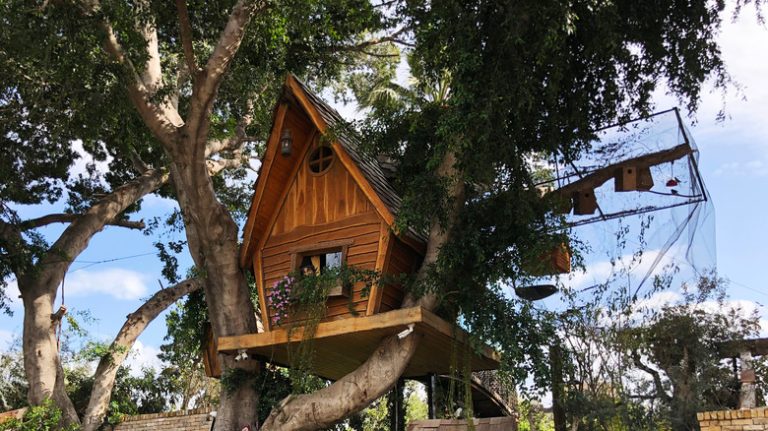


In my years of working with various automotive and home improvement projects, I’ve often noticed how a small change in one’s environment can have a profound impact on mood. Gardens, often seen as mere patches of grass or flowerbeds, have the potential to be much more than that. They can transform a mundane space into a sanctuary. Simple adjustments can create a more inviting atmosphere, making daily life feel a little brighter.
One of the most straightforward enhancements involves the introduction of color. A few strategically placed flowering plants can provide not only visual appeal but also a sense of vitality. For instance, I’ve seen how a pop of bright yellow or deep purple can draw the eye and elevate the spirit. In more practical terms, these plants can thrive with minimal care if chosen wisely, resisting the wear of time and the elements better than more delicate varieties.
Texture and Structure
Another aspect that often gets overlooked is texture. Incorporating different materials can create a more dynamic space. For instance, a simple stone pathway can break the monotony of grass and provide a tactile contrast. Over time, these paths can weather beautifully, adding character rather than detracting from the overall aesthetic. I’ve seen how a well-placed rock garden not only serves as an attractive focal point but also reduces maintenance needs in the long run.
Water features, even small ones like a birdbath, can introduce soothing sounds that enhance relaxation. They can attract local wildlife, creating a lively atmosphere that changes with the seasons. However, it’s important to remember that these features require some upkeep. If not maintained, they can become more of a nuisance than a joy, often leading to algae buildup or stagnant water. Regular cleaning can keep them inviting.
Lighting and Ambiance
As the day transitions into night, the right lighting can dramatically alter the mood of a garden space. Solar-powered garden lights are a practical solution that I’ve found effective. They add warmth without the need for extensive wiring or energy costs. Over the years, I’ve witnessed how soft lighting can encourage evening gatherings or quiet moments of reflection, making the space feel more like an extension of the home rather than just an outdoor area.
Seating arrangements, too, can make a significant difference. A simple bench or a couple of chairs placed under a tree can invite people to linger longer. It’s about creating a space where one can pause and appreciate the surroundings. The wear on outdoor furniture should be considered; choosing materials that withstand the elements can save time and effort down the line.
Ultimately, the goal isn’t to create a perfect garden but to cultivate a space that resonates on a personal level. Small changes can lead to a more enjoyable outdoor experience, enhancing daily life in subtle ways. The key lies in observing what works in your unique environment and making adjustments that reflect both practicality and personal preference.